Jean-Henri d'Anglebert
Sarabande in D minor after Gaultier
Released Album
Recent Album
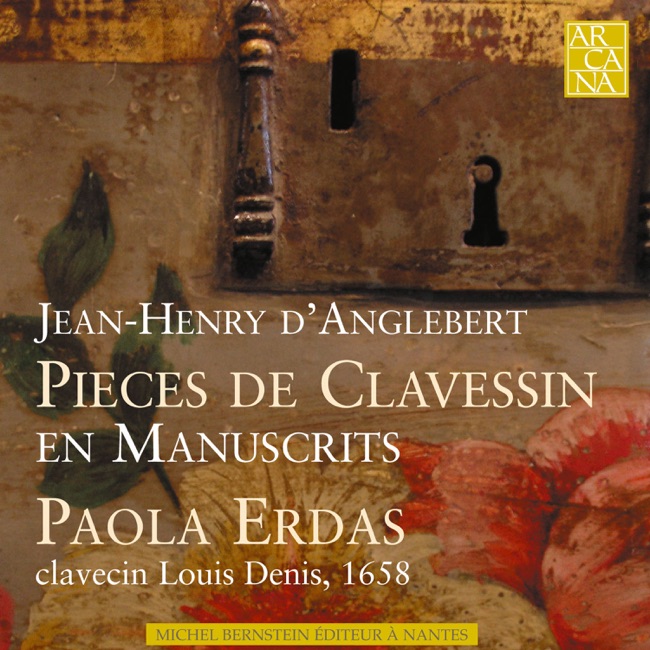
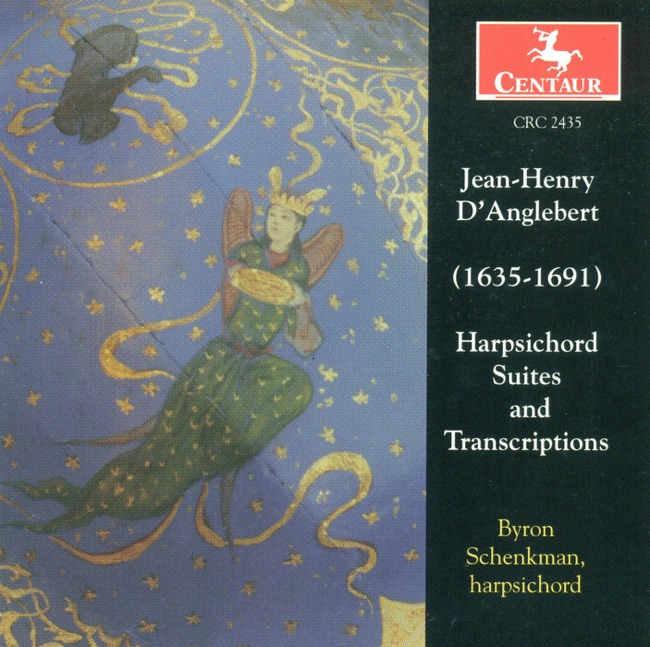
Works Info
Composer:Jean-Henri d'AnglebertGenre:KeyboardStyle:SarabandePublication Date:1689Average_duration:2:42Jean-Henri d'Anglebert was a French harpsichordist and composer who lived from 1629 to 1691. He was a prominent figure in the French Baroque music scene and was known for his skill as a performer and composer. One of his most famous works is the "Sarabande in D minor after Gaultier," which was composed in the mid-17th century. The "Sarabande in D minor after Gaultier" is a solo harpsichord piece that is based on a sarabande by Denis Gaultier, a French lutenist and composer who lived from 1603 to 1672. The piece is in the key of D minor and is composed in a slow, stately tempo that is typical of the sarabande dance form. The "Sarabande in D minor after Gaultier" is divided into three movements. The first movement is a slow and melancholic introduction that sets the mood for the piece. The second movement is the main sarabande theme, which is played in a slow and deliberate manner. The third movement is a short coda that brings the piece to a close. One of the characteristics of the "Sarabande in D minor after Gaultier" is its use of ornamentation. D'Anglebert was known for his skill in ornamentation, and this piece is no exception. The harpsichordist is expected to add trills, mordents, and other embellishments to the basic melody to give it more depth and complexity. Another characteristic of the piece is its use of harmony. D'Anglebert was known for his innovative use of harmony, and this piece is no exception. The harmonies are rich and complex, with unexpected chord progressions and dissonances that add to the emotional impact of the piece. The "Sarabande in D minor after Gaultier" was first performed in the mid-17th century and quickly became a popular piece among harpsichordists. It remains a popular piece to this day and is often performed in recitals and concerts. Its melancholic and introspective mood, combined with its intricate ornamentation and complex harmonies, make it a masterpiece of the French Baroque era.More....
Works Music