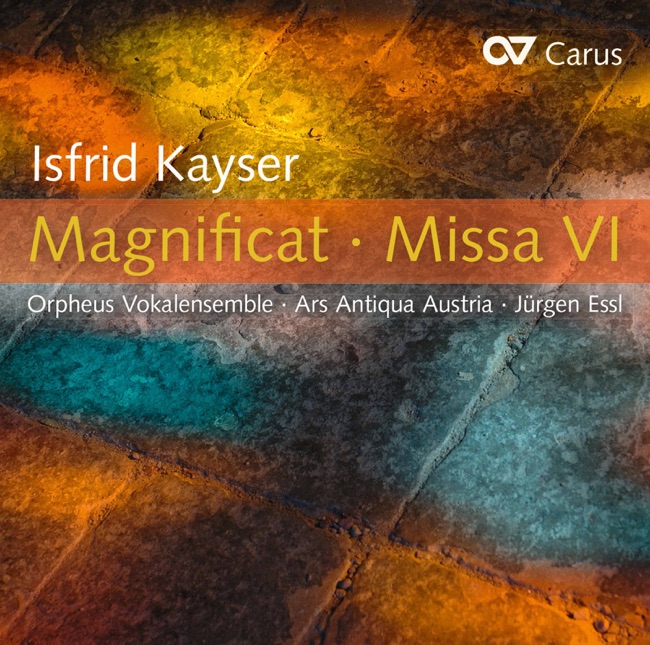
Isfrid Kayser
Laudate Dominum
Works Info
Composer:Isfrid KayserGenre:VocalAverage_duration:4:04Laudate Dominum is a sacred choral work composed by Isfrid Kayser, a German composer and organist, in the early 17th century. The exact date of composition is unknown, but it is believed to have been written around 1610-1620. The piece is written for four-part choir and organ accompaniment. The work is divided into three movements. The first movement is a joyful and exuberant setting of the text "Laudate Dominum omnes gentes" (Praise the Lord, all ye nations). The choir sings in unison, with the organ providing a lively accompaniment. The second movement is a more contemplative setting of the text "Quoniam confirmata est super nos misericordia eius" (For his mercy is confirmed upon us). The choir sings in four-part harmony, with the organ providing a gentle and supportive accompaniment. The final movement is a triumphant setting of the text "Gloria Patri et Filio et Spiritui Sancto" (Glory be to the Father, and to the Son, and to the Holy Spirit). The choir sings in four-part harmony, with the organ providing a majestic and celebratory accompaniment. The characteristics of Laudate Dominum are typical of sacred choral music of the early Baroque period. The work is characterized by its use of polyphony, in which multiple voices sing different melodies simultaneously, creating a rich and complex texture. The work also features a strong sense of rhythm and a lively, energetic tempo. The use of the organ as an accompaniment is also typical of sacred choral music of this period. Laudate Dominum was likely composed for use in church services, and it remains a popular piece in the choral repertoire today. Its joyful and celebratory tone makes it particularly well-suited for use in festive occasions such as weddings and Christmas services.More....