Galina Ustvolskaya
Composition II, "Dies irae"
Released Album
Recent Album

Works Info
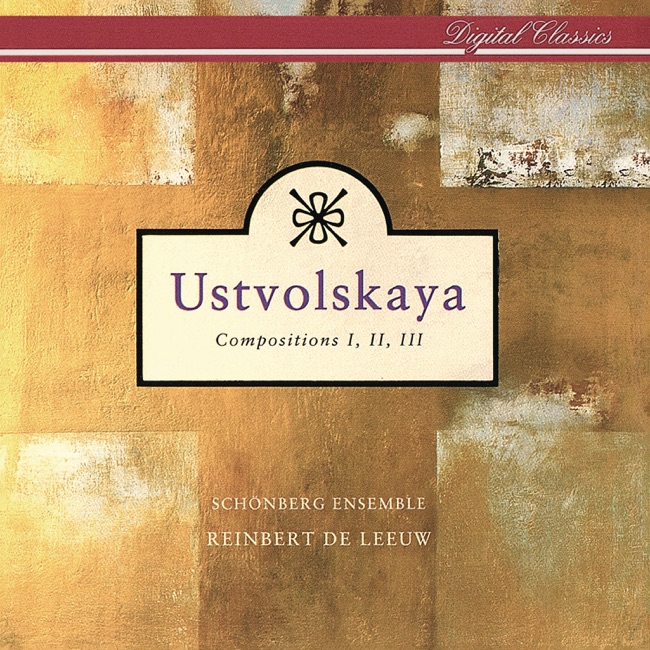
Composer:Galina UstvolskayaGenre:ChamberStyle:PieceCompose Date:1972 - 1973Average_duration:18:26Movement_count:10Movement ....Galina Ustvolskaya's Composition II, Dies irae is a powerful and intense work for eight double basses, piano, and wooden cube. It was composed in 1973 and premiered in Leningrad (now St. Petersburg) in the same year. The work is divided into three movements, each of which is marked by a distinct character and mood. The first movement, marked "Allegro molto," is a frenzied and chaotic outburst of sound. The double basses play rapid, jagged lines that are punctuated by the piano's percussive attacks. The wooden cube is used to create a harsh, clattering sound that adds to the overall sense of chaos and dissonance. The second movement, marked "Largo," is a stark contrast to the first. It is a slow, mournful meditation on the Dies irae chant, a traditional Latin hymn that is often associated with death and judgment. The double basses play long, sustained notes that create a sense of deep sadness and despair. The piano provides a simple, repetitive accompaniment that adds to the hypnotic quality of the music. The third movement, marked "Allegro," returns to the frenzied energy of the first. The double basses play rapid, syncopated rhythms that are reminiscent of a military march. The piano provides a driving, percussive accompaniment that propels the music forward. The wooden cube is used once again to create a harsh, clattering sound that adds to the overall sense of chaos and dissonance. Composition II, Dies irae is a powerful and uncompromising work that reflects Ustvolskaya's unique musical vision. It is characterized by its extreme dissonance, rhythmic complexity, and intense emotional expression. The work is often seen as a reflection of the composer's deep spiritual beliefs and her preoccupation with themes of death and judgment.More....
Works Music