


Max Reger
Chromatic Fantasie and Fugue (after Bach, BWV 903)
Released Album
Recent Album



Works Info
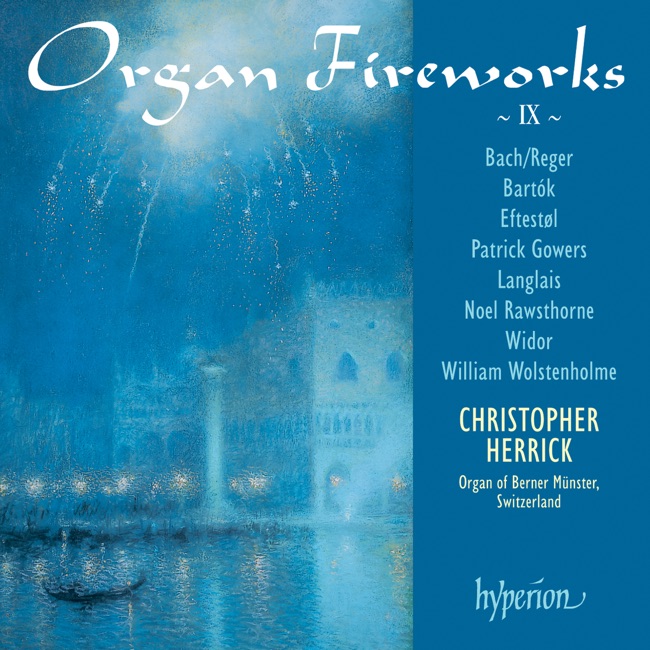
Composer:Max RegerGenre:KeyboardStyle:FugueCompose Date:1902 - 1903Publication Date:1904Average_duration:14:03Movement_count:2Movement ....Max Reger's Chromatic Fantasie and Fugue (after Bach, BWV 903) is a piano composition that was completed in 1900. The piece was premiered by Reger himself in Munich on December 15, 1900. The composition is divided into two movements, the first being the Fantasie and the second being the Fugue. The Fantasie is a highly chromatic and virtuosic piece that showcases Reger's mastery of counterpoint and harmonic complexity. The piece begins with a slow and mysterious introduction that gradually builds in intensity and complexity. The main section of the Fantasie is a fast and frenzied display of technical prowess, with intricate runs and arpeggios that explore the full range of the piano. The Fantasie ends with a return to the slow and mysterious opening theme, bringing the piece full circle. The Fugue is a more traditional Baroque-style fugue that is based on a single subject. However, Reger's treatment of the subject is highly chromatic and complex, with frequent modulations and unexpected harmonic twists. The fugue builds in intensity and complexity, with multiple voices weaving in and out of each other in a dizzying display of counterpoint. The piece ends with a triumphant restatement of the subject in the home key. Overall, Reger's Chromatic Fantasie and Fugue is a highly virtuosic and complex piece that showcases his mastery of counterpoint and harmonic complexity. The piece is a tribute to Bach's original Chromatic Fantasia and Fugue, but Reger's treatment of the material is highly original and innovative. The piece remains a staple of the piano repertoire and is frequently performed by virtuoso pianists around the world.More....
Works Music
Released Music

2

6:46
4

13:31