Heitor Villa-Lobos
Xangô, song for voice & piano, A. 159/4
Released Album
Featured Album
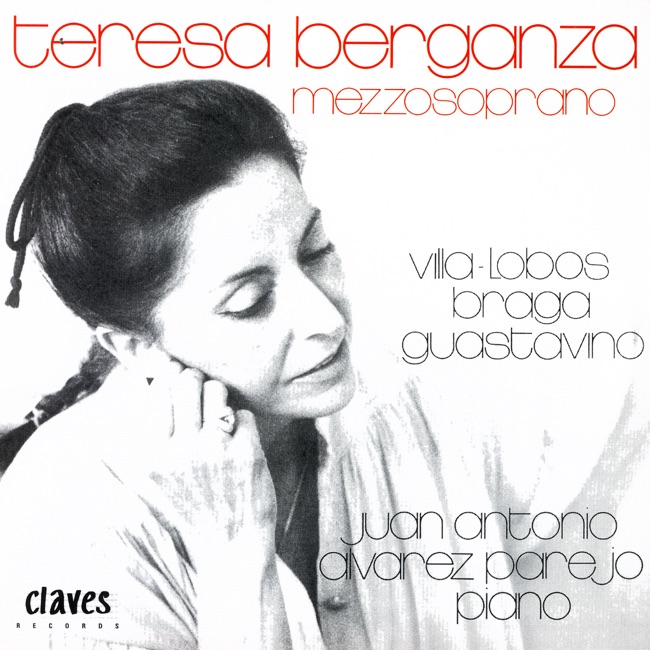
Works Info
Composer:Heitor Villa-LobosGenre:VocalStyle:SongCompose Date:1919 - 1935Average_duration:1:45Xangô, song for voice and piano, A. 159/4, is a composition by the Brazilian composer Heitor Villa-Lobos. It was composed in 1927 and premiered in Rio de Janeiro in the same year. The piece is part of a larger collection of songs called "Ciclo Brasileiro" (Brazilian Cycle), which Villa-Lobos composed between 1926 and 1930. The song is named after Xangô, a deity in the Afro-Brazilian religion of Candomblé, who is associated with thunder and lightning. The lyrics, written by Villa-Lobos himself, describe Xangô's power and majesty, as well as his role as a judge and dispenser of justice. The piece is in the key of E minor and is marked "Moderato" in tempo. It consists of two main sections, each of which is repeated. The first section features a simple, repetitive melody in the piano, while the voice sings a more complex melody that weaves in and out of the piano's accompaniment. The second section is more dramatic, with the piano playing a series of thunderous chords while the voice sings a soaring melody that reaches a climax on the word "Xangô". One of the most striking characteristics of Xangô is its use of Brazilian folk elements. Villa-Lobos was a pioneer in incorporating Brazilian folk music into his compositions, and Xangô is no exception. The melody of the song is based on a traditional Brazilian folk tune, and the piano accompaniment features syncopated rhythms and other elements of Brazilian music. Overall, Xangô is a powerful and evocative piece that showcases Villa-Lobos's unique blend of classical and folk elements. Its use of Brazilian folk music and its depiction of an important figure in Afro-Brazilian religion make it a quintessentially Brazilian work.More....
Works Music
Featured Music