


Franz Liszt
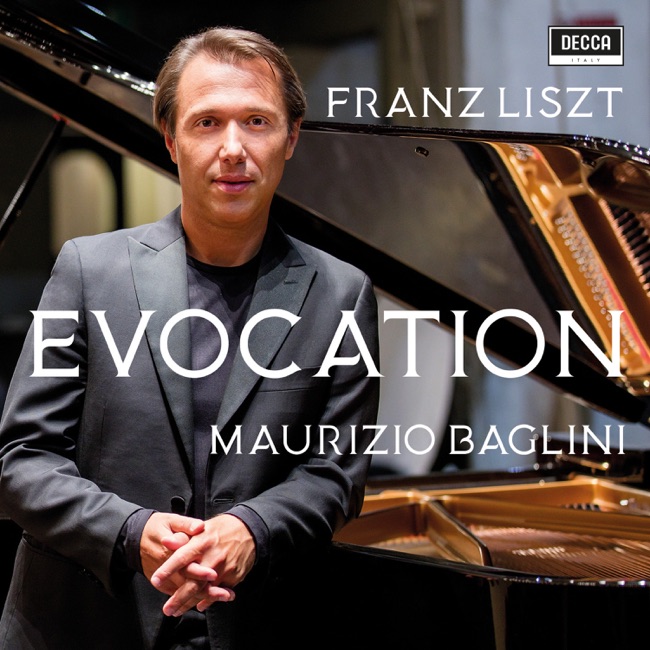
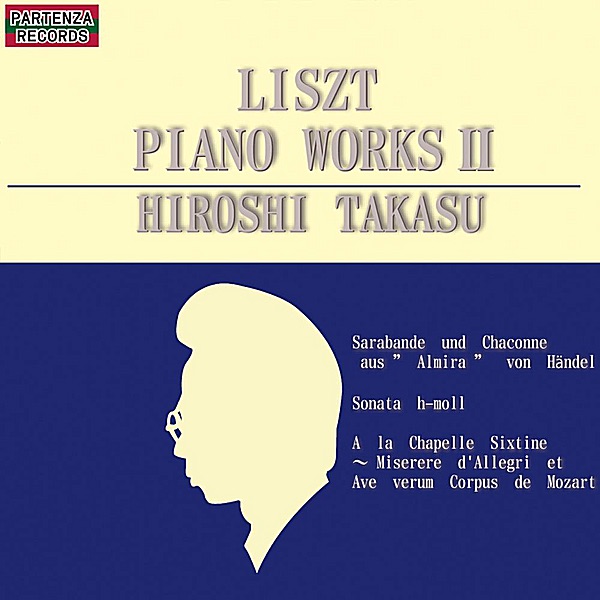
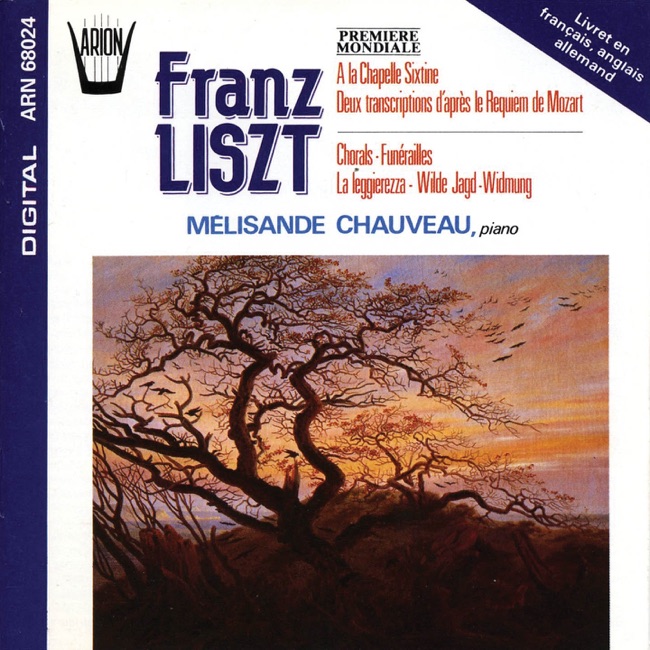
À la Chapelle Sixtine, for piano, S. 461
Released Album
Recent Album
-
-
 Paolo VergariMarch 16, 2018
 -
-
-
-
Works Info
Composer:Franz LisztGenre:KeyboardStyle:KeyboardCompose Date:1860 - 1862Publication Date:1865Average_duration:12:59Franz Liszt's 'À la Chapelle Sixtine, for piano, S. 461' is a solo piano piece that was composed in 1862. The piece was premiered in the same year in Weimar, Germany. It is a part of Liszt's collection of piano pieces called 'Harmonies poétiques et religieuses' (Poetic and Religious Harmonies). The piece is divided into three movements, each of which is inspired by a different aspect of the Sistine Chapel in Rome. The first movement, titled 'Miserere d'après Palestrina', is based on the famous 'Miserere' by Giovanni Pierluigi da Palestrina, which is traditionally sung during Holy Week in the Sistine Chapel. Liszt's interpretation of the piece is a virtuosic and dramatic piano transcription that captures the intensity and emotion of the original choral work. The second movement, titled 'Il penseroso', is inspired by Michelangelo's statue of the same name, which is located in the Medici Chapel in Florence. The movement is characterized by its melancholic and introspective mood, with Liszt using a variety of pianistic techniques to create a sense of introspection and contemplation. The final movement, titled 'Cantique d'après l'antique', is based on a hymn that was sung in the Sistine Chapel during the Renaissance. Liszt's interpretation of the hymn is a lively and joyful piece that showcases his virtuosic piano technique. The movement is characterized by its fast-paced arpeggios, rapid runs, and intricate ornamentation. Overall, 'À la Chapelle Sixtine' is a masterful piano work that showcases Liszt's ability to capture the essence of different artistic and religious traditions in his music. The piece is characterized by its virtuosic piano technique, dramatic intensity, and emotional depth, making it a favorite among pianists and audiences alike.More....
Works Music
Released Music
2
14:26
4
13:23
6
11:55