Juan de Araujo
Dixit Dominus
Released Album
Recent Album

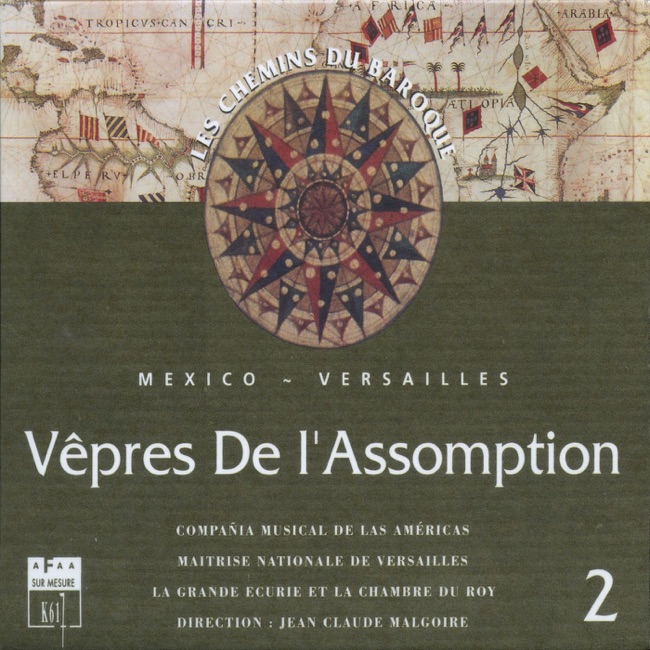
Works Info
Composer:Juan de AraujoGenre:ChoralStyle:HymnAverage_duration:6:27Juan de Araujo was a Spanish composer who lived in the 17th century. He is known for his contributions to the Baroque music genre, particularly in the field of sacred music. One of his most famous works is the 'Dixit Dominus', a choral composition that was first performed in the 1670s. The 'Dixit Dominus' is a Latin text that comes from Psalm 110. It is a hymn of praise to God, and it is often used in Catholic liturgy. Araujo's composition is divided into nine movements, each of which corresponds to a different section of the text. The movements are as follows: 1. Dixit Dominus - This movement is a choral introduction to the piece. It sets the tone for the rest of the composition and establishes the key. 2. Donec ponam - This movement is a duet for two sopranos. It is a gentle and melodic piece that reflects on the power of God. 3. Virgam virtutis - This movement is a choral piece that celebrates the strength and power of God. 4. Tecum principium - This movement is a duet for two altos. It is a more somber piece that reflects on the role of Christ as a mediator between God and humanity. 5. Juravit Dominus - This movement is a choral piece that reflects on the covenant between God and his people. 6. Dominus a dextris tuis - This movement is a duet for two tenors. It is a joyful and celebratory piece that reflects on the victory of God over his enemies. 7. Judicabit - This movement is a choral piece that reflects on the judgment of God. 8. De torrente - This movement is a duet for two basses. It is a gentle and melodic piece that reflects on the peace and tranquility that comes from God. 9. Gloria Patri - This movement is a choral conclusion to the piece. It is a joyful and celebratory piece that praises God. The 'Dixit Dominus' is characterized by its use of polyphony, which is a technique that involves multiple voices singing different melodies at the same time. Araujo's composition also features a variety of vocal textures, from the gentle and melodic duets to the powerful and celebratory choral pieces. The piece is also notable for its use of dynamic contrasts, which help to create a sense of drama and tension throughout the composition. The 'Dixit Dominus' premiered in the 1670s, and it has since become one of Araujo's most famous works. It is still performed today by choirs around the world, and it is considered to be a masterpiece of Baroque sacred music.More....
Works Music
Released Music