


Johann Christian Bach
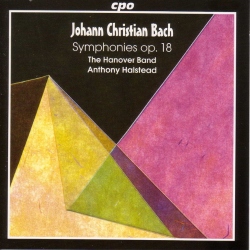
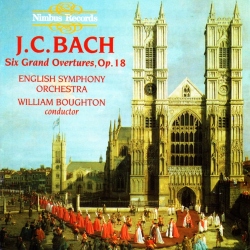
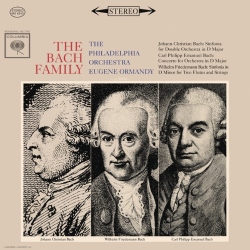
Symphony for double orchestra in D major Op. 18/3, CW G15ov/b (T. 270/4)
Released Album
Recent Album
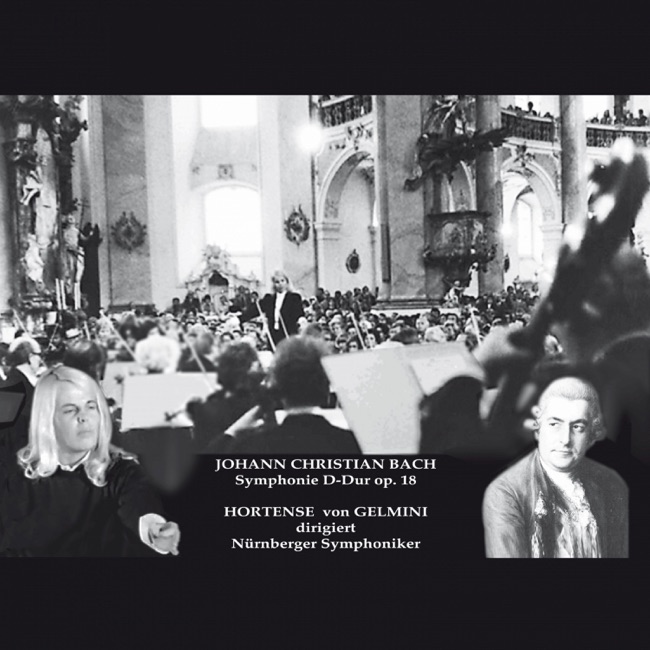
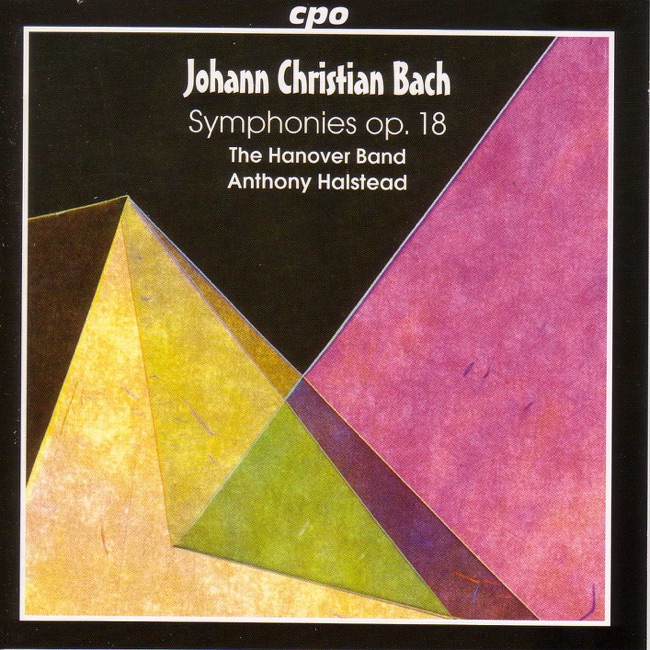
Works Info
Composer:Johann Christian BachGenre:SymphonyStyle:SymphonyCompose Date:1772Publication Date:1781First Performance:Apr 6, 1772Average_duration:12:24Movement_count:3Movement ....Johann Christian Bach's Symphony for double orchestra in D major Op. 18/3, CW G15ov/b (T. 270/4) was composed in the mid-1770s. It premiered in London in 1777, where Bach was working as the music master for Queen Charlotte. The symphony is divided into four movements: Allegro, Andante, Menuetto, and Presto. The first movement, Allegro, begins with a lively and energetic theme played by the first orchestra. The second orchestra then enters with a contrasting theme, creating a dialogue between the two groups. The movement features a number of dynamic changes and sudden shifts in mood, showcasing Bach's skill at creating tension and drama. The second movement, Andante, is a slow and lyrical piece that features a beautiful melody played by the first orchestra. The second orchestra provides a delicate accompaniment, creating a sense of intimacy and tenderness. The movement is notable for its use of chromaticism, which adds a sense of richness and complexity to the music. The third movement, Menuetto, is a lively dance that features a playful and upbeat melody. The two orchestras take turns playing the main theme, creating a sense of joy and celebration. The movement is characterized by its use of syncopation, which adds a sense of rhythmic complexity and energy to the music. The final movement, Presto, is a fast and frenetic piece that features a driving rhythm and a sense of urgency. The two orchestras play off each other, creating a sense of competition and excitement. The movement is notable for its use of counterpoint, which adds a sense of complexity and depth to the music. Overall, Bach's Symphony for double orchestra in D major Op. 18/3 is a masterful work that showcases his skill at creating complex and dynamic music. The use of two orchestras adds a sense of richness and depth to the music, while the four movements provide a sense of variety and contrast. The symphony remains a beloved work in the classical repertoire and is a testament to Bach's enduring legacy as a composer.More....
Works Music
Released Music
1
14:28
2
4:35
3
4:19
4
4:22
5
4:29
6
5:17
7
4:40