Claudio Monteverdi
Exulta filia Sion, madrigal for soprano, SV 303
Released Album
Recent Album


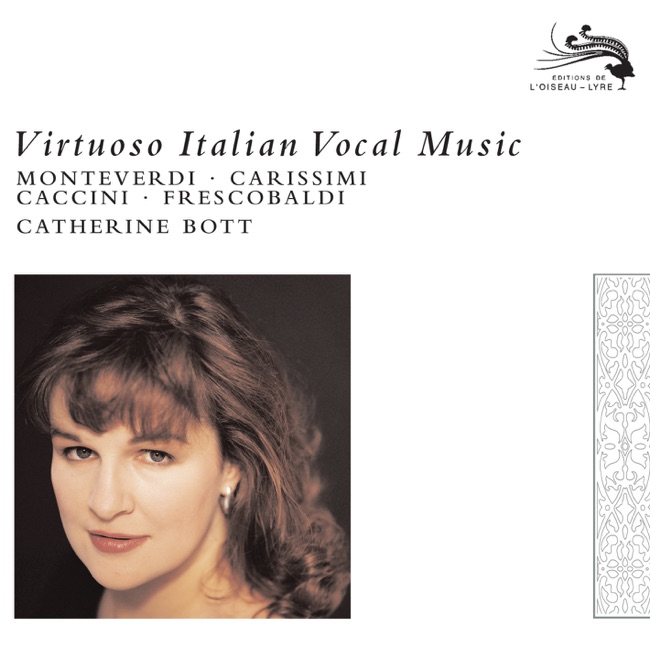
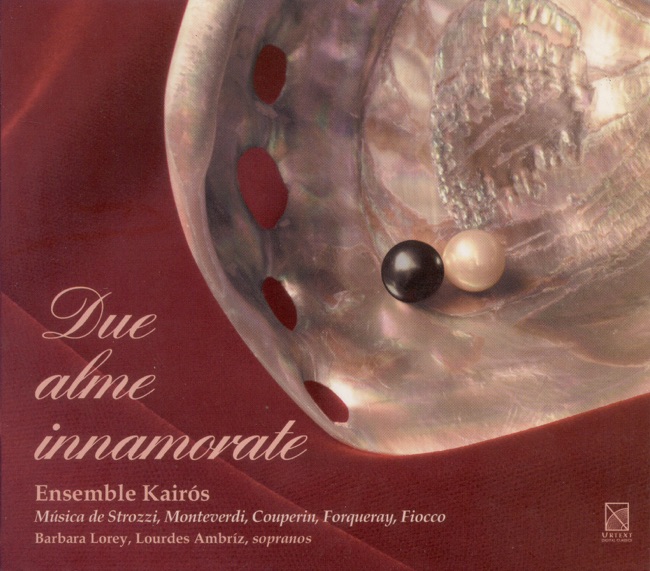

Featured Album
Works Info
Composer:Claudio MonteverdiGenre:ChoralStyle:MotetCompose Date:ca. 1629Average_duration:5:14Exulta filia Sion, SV 303, is a madrigal for soprano solo and continuo composed by Claudio Monteverdi. It was likely composed in the early 1620s, during Monteverdi's time as maestro di cappella at the Basilica of San Marco in Venice. The piece is believed to have been written for the feast of the Annunciation, which falls on March 25th. The madrigal is in three movements, with a total duration of approximately six minutes. The first movement is marked "Allegro," and features a lively, dance-like rhythm. The soprano soloist sings the text "Exulta filia Sion, lauda filia Jerusalem" ("Rejoice, daughter of Zion, praise, daughter of Jerusalem"), which is taken from the Old Testament book of Zephaniah. The music is characterized by its joyful, celebratory tone, with the soprano's virtuosic melodic lines supported by a lively continuo accompaniment. The second movement is marked "Adagio," and features a more contemplative mood. The soprano sings the text "Ecce Dominus veniet" ("Behold, the Lord is coming"), which is taken from the New Testament book of Malachi. The music is characterized by its expressive, lyrical quality, with the soprano's melodic lines unfolding over a rich, harmonically complex continuo accompaniment. The final movement is marked "Allegro," and returns to the joyful, celebratory mood of the opening movement. The soprano sings the text "Gaudete et exultate omnes" ("Rejoice and be glad, all"), which is taken from the Gospel of Matthew. The music is characterized by its lively, dance-like rhythm and virtuosic soprano lines, with the continuo accompaniment providing a lively, energetic foundation. Overall, Exulta filia Sion is a prime example of Monteverdi's skill in setting sacred texts to music. The piece showcases his mastery of both melody and harmony, as well as his ability to create music that is both expressive and joyful. It remains a popular work in the repertoire of early music performers and is a testament to Monteverdi's enduring legacy as one of the greatest composers of the Baroque era.More....
Works Music
Released Music

2
6:27
4

5:38
5
Exulta filia Sion, madrigal for soprano, SV 303
Exulta Filia Sion Motette für Sopran und Basso continuo
5:13
6
6:21
9
5:46
10
4:58
Featured Music