Thomas Tallis
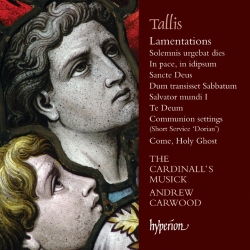
Dum transisset Sabbatum, P. 257
Released Album
Recent Album
Featured Album
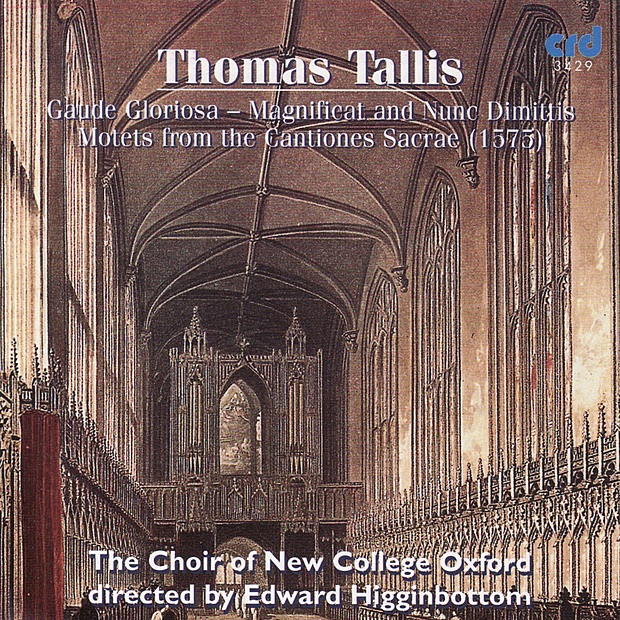
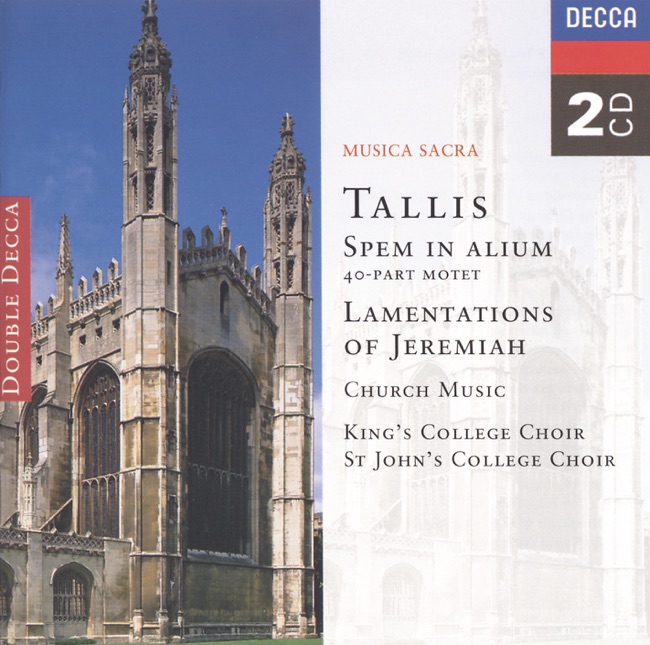
Works Info
Composer:Thomas TallisGenre:ChoralStyle:MotetCompose Date:1575Average_duration:7:13"Dum transisset Sabbatum, P. 257" is a motet composed by Thomas Tallis, one of the most prominent English composers of the Renaissance period. The piece was likely composed in the 1570s, during the reign of Queen Elizabeth I, and was first performed in the Chapel Royal at Whitehall Palace in London. The motet is divided into three movements, each of which is based on a different section of the text from the Gospel of Mark describing the events of the Resurrection. The first movement, "Dum transisset Sabbatum," is a setting of the opening verses of the Gospel, which describe the women coming to the tomb on the morning of the third day. The second movement, "Et valde mane una Sabbatorum," is a setting of the next verse, which describes the women finding the tomb empty. The final movement, "In resurrectione tua Christe," is a setting of the final verse, which celebrates the Resurrection. The piece is characterized by Tallis's use of polyphony, or the combination of multiple independent voices to create a complex and richly textured sound. The motet is written for five voices, with each voice singing a different part of the text simultaneously. Tallis also employs a variety of musical techniques, such as imitation and inversion, to create a sense of unity and coherence throughout the piece. Overall, "Dum transisset Sabbatum, P. 257" is a masterful example of Renaissance polyphony, showcasing Tallis's skill as a composer and his ability to create complex and beautiful music that is still admired and performed today.More....
Works Music
Released Music

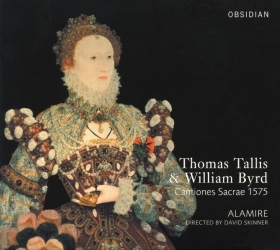
Featured Music