Michel Pignolet de Montéclair
Cinquième Concert for 2 flutes without continuo
Released Album
Recent Album
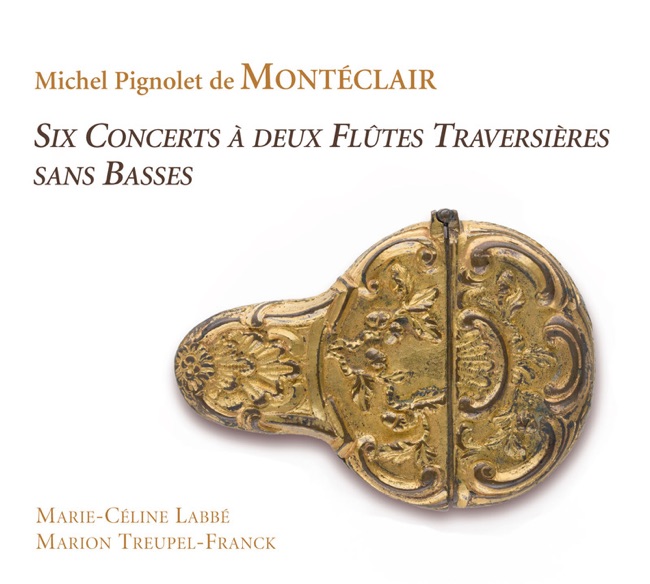
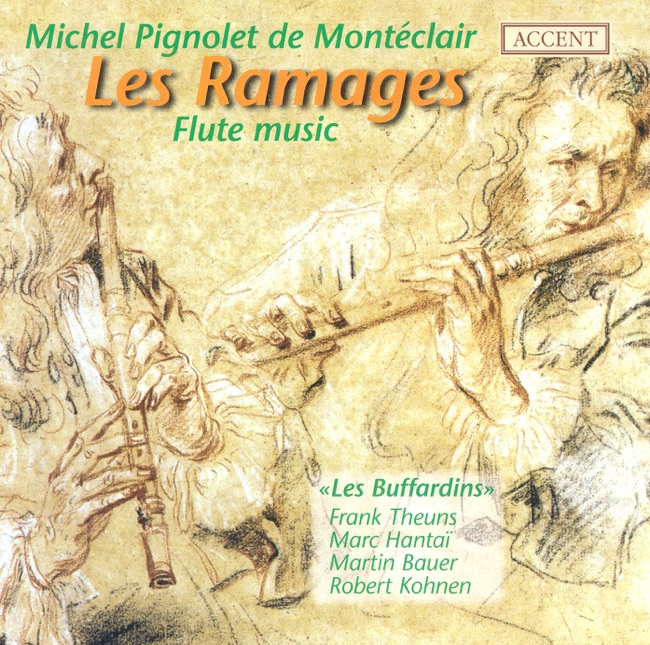
Works Info
Composer:Michel Pignolet de MontéclairGenre:ChamberStyle:Chamber MusicMichel Pignolet de Montéclair was a French composer and flutist who lived from 1667 to 1737. He was a prominent figure in the French Baroque era, and his works were highly regarded for their elegance and refinement. One of his most famous compositions is the Cinquième Concert for 2 flutes without continuo, which was composed in 1728. The Cinquième Concert for 2 flutes without continuo is a chamber music piece that features two flutes playing together without any accompanying instruments. It is divided into four movements, each with its own distinct character and mood. The first movement is marked Allegro and is characterized by its lively and energetic tempo. The second movement is marked Largo and is much slower and more contemplative in nature. The third movement is marked Allegro and is similar in tempo to the first movement, but with a more playful and whimsical character. The final movement is marked Presto and is the fastest and most virtuosic of the four movements. One of the most notable characteristics of the Cinquième Concert for 2 flutes without continuo is its use of counterpoint. Montéclair was known for his skill in writing complex and intricate counterpoint, and this piece is no exception. The two flutes often play in dialogue with each other, weaving intricate melodies and harmonies together in a way that is both beautiful and technically challenging. The Cinquième Concert for 2 flutes without continuo premiered in Paris in 1728 and was well-received by audiences and critics alike. It has since become a staple of the flute repertoire and is often performed by flutists around the world. Its elegant melodies, intricate counterpoint, and lively character make it a joy to listen to and a testament to Montéclair's skill as a composer.More....
Works Music
Released Music