


Franz Liszt
Hungarian Rhapsody, for orchestra No. 5 in C sharp minor, S.359/5
Released Album
Recent Album
Featured Album
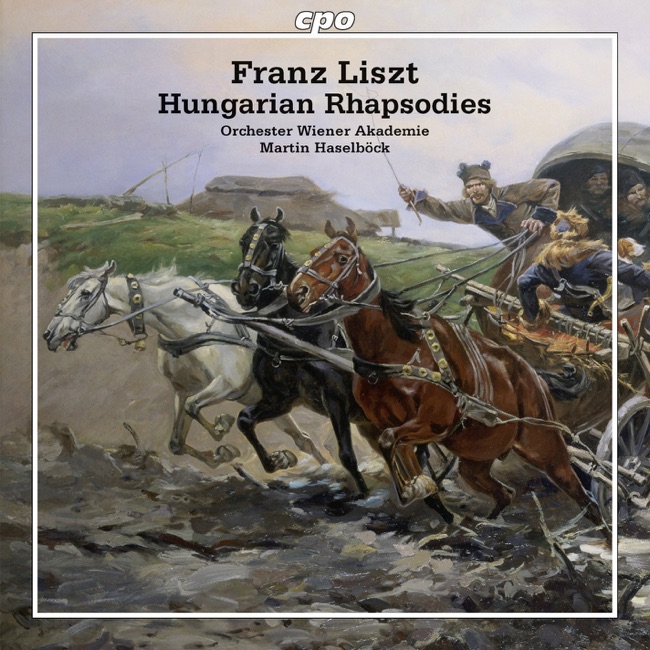
Works Info
Composer:Franz LisztGenre:OrchestralStyle:OrchestralCompose Date:1860Publication Date:1875Average_duration:12:50Franz Liszt's Hungarian Rhapsody No. 5 in C sharp minor, S.359/5, is a virtuosic orchestral work that was composed in 1847. It premiered in Pest (now Budapest) on November 8, 1847, with the composer conducting. The piece is divided into two main sections, with a slow introduction followed by a fast and lively main section. The slow introduction features a mournful melody played by the cellos and basses, which is then taken up by the violins. This melody is based on a Hungarian folk song called "Szózat" (Appeal), which was written by Mihály Vörösmarty. The main section of the rhapsody is a fast and energetic dance, featuring a variety of Hungarian folk melodies. The piece is characterized by its use of virtuosic runs and arpeggios, as well as its use of the gypsy scale, which is a type of scale used in Hungarian folk music that features a raised fourth and seventh degree. The rhapsody is also notable for its use of orchestration, with Liszt making use of a wide range of instruments to create a rich and colorful sound. The piece features prominent solos for the clarinet, violin, and cimbalom (a type of hammered dulcimer that is commonly used in Hungarian folk music). Overall, Liszt's Hungarian Rhapsody No. 5 is a lively and colorful work that showcases the composer's virtuosic piano writing and his love for Hungarian folk music. Its popularity has endured to this day, with the piece being frequently performed and recorded by orchestras around the world.More....
Works Music
Released Music
1
8:55
2
10:58
3
9:53
4
11:33
5
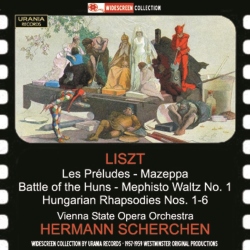
Hungarian Rhapsody, for orchestra no. 5 in C sharp minor, p.359/5
Hungarian Rhapsody No. 5 (No. 5, piano version) 'Héroide élégiaque'
12:48
6
10:46
7
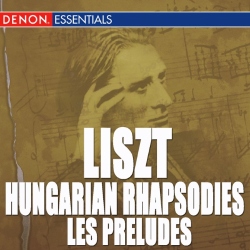
Hungarian Rhapsody, for orchestra no. 5 in C sharp minor, p.359/5
Hungarian Rhapsody No. 5 in E Minor
10:9
8
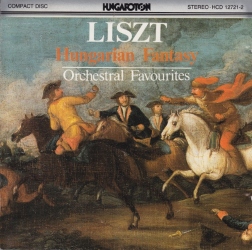
10:42
Featured Music
1
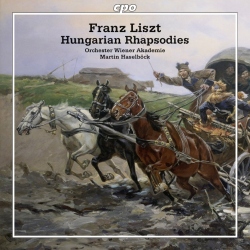
Hungarian Rhapsody, for orchestra no. 5 in C sharp minor, p.359/5
Hungarian Rhapsody No. 5 in E minor, S. 359/5
10:32