Martin Berteau
Sixième exercice for 2 cellos & continuo in G major
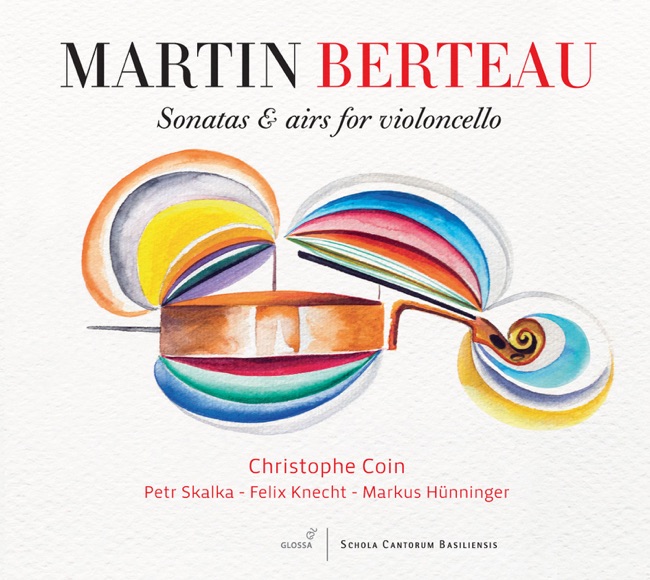
Released Album
Recent Album
Works Info
Composer:Martin BerteauGenre:ChamberAverage_duration:2:41The 'Sixième exercice for 2 cellos & continuo in G major' is a composition by Martin Berteau, a French cellist and composer who lived from 1700 to 1771. The piece was composed in the mid-18th century and was likely intended as a pedagogical exercise for students of the cello. The 'Sixième exercice' is structured in three movements: an opening Allegro, a central Adagio, and a closing Allegro. The first movement is characterized by its lively, dance-like rhythms and playful melodies, which are passed back and forth between the two cellos. The second movement is more contemplative, with a slower tempo and more expressive melodies. The final movement returns to the energetic character of the first, with fast, virtuosic passages and intricate interplay between the two cellos. One of the most notable features of the 'Sixième exercice' is its use of continuo, a technique common in Baroque music in which a keyboard instrument (usually a harpsichord or organ) provides a harmonic foundation for the other instruments. In this piece, the continuo part is played on a harpsichord, and provides a rich, complex texture that supports and enhances the melodies of the two cellos. Overall, the 'Sixième exercice for 2 cellos & continuo in G major' is a charming and engaging piece of music that showcases Berteau's skill as both a composer and a cellist. Its lively rhythms, expressive melodies, and intricate interplay between the two cellos make it a delightful addition to any chamber music repertoire.More....
Works Music
Released Music