


Francesco Durante
Sonata for Harpsichord divided into Studies & Divertimenti, No. 6, Divertimenti Terzo
Released Album
Recent Album
Works Info
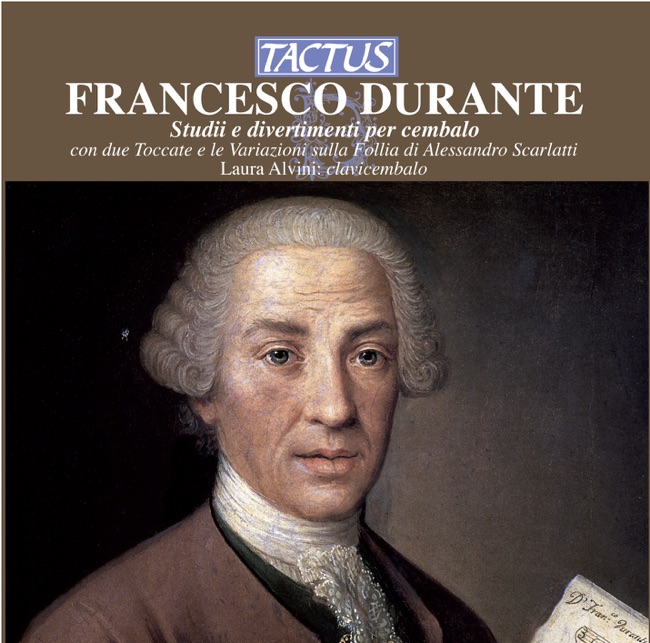
Composer:Francesco DuranteGenre:KeyboardStyle:KeyboardAverage_duration:1:00Francesco Durante's Sonata for Harpsichord divided into Studies & Divertimenti, No. 6, Divertimenti Terzo was composed in the early 18th century. The exact date of composition is unknown, but it is believed to have been written between 1710 and 1720. The piece was premiered in Naples, Italy, where Durante was a prominent composer and teacher. The Sonata is divided into three movements, each with its own distinct character and style. The first movement is marked Allegro and is in a lively, dance-like rhythm. The second movement, marked Andante, is more lyrical and expressive, with a slower tempo and more complex harmonies. The final movement, marked Allegro, returns to the lively, dance-like rhythm of the first movement, but with more intricate and virtuosic passages for the harpsichord. The Sonata is typical of the Baroque era, with its emphasis on ornamentation, counterpoint, and virtuosity. The harpsichord is the primary instrument, and Durante takes full advantage of its capabilities, with rapid runs, trills, and arpeggios throughout the piece. The Sonata is also notable for its use of chromaticism, with unexpected harmonies and modulations that add to the piece's complexity and interest. Overall, Durante's Sonata for Harpsichord divided into Studies & Divertimenti, No. 6, Divertimenti Terzo is a masterful example of Baroque keyboard music. Its three movements showcase the harpsichord's capabilities and Durante's skill as a composer, with intricate counterpoint, virtuosic passages, and unexpected harmonies. The piece remains a popular choice for harpsichordists and Baroque music enthusiasts today.More....
Works Music
Released Music
1
4:53
2
1: