Abel Meeropol
Strange Fruit
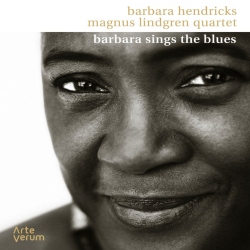
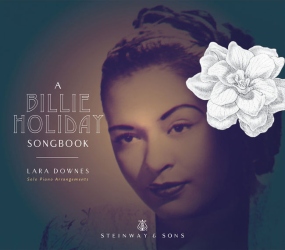
Released Album
Featured Album
Works Info
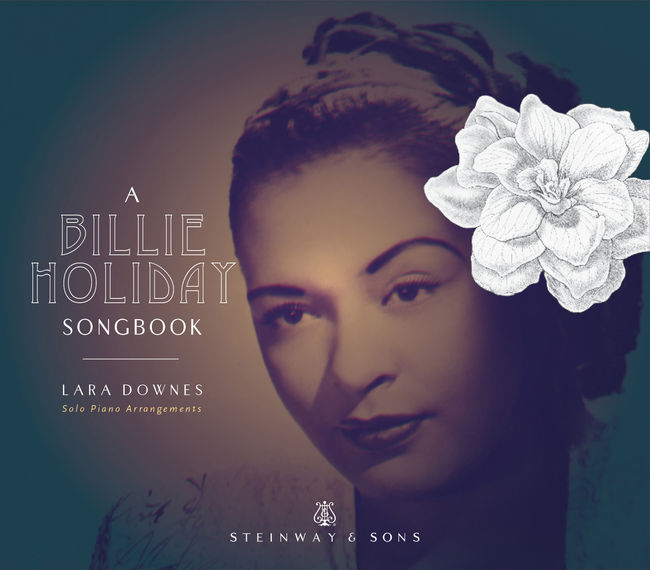
Composer:Abel MeeropolGenre:VocalStyle:Vocal MusicAverage_duration:2:25"Strange Fruit" is a haunting and powerful song that was composed by Abel Meeropol in 1937. The song was first performed by Billie Holiday in 1939 and has since become an iconic protest song against racism and lynching in the United States. The song's premiere was at a teacher's union meeting in New York City in 1937. Meeropol, a Jewish schoolteacher and activist, was inspired to write the song after seeing a photograph of a lynching in the South. The image of the hanging bodies of two black men inspired him to write the poem that would become "Strange Fruit." The song has three movements, each of which is characterized by its haunting melody and powerful lyrics. The first movement describes the "Southern trees" that bear "strange fruit" - the bodies of black men who have been lynched. The second movement describes the "blood on the leaves" and the "blood at the root" of the tree, symbolizing the deep-seated racism and violence that underpins the practice of lynching. The final movement is a call to action, urging listeners to "plant the seeds of peace" and to "let our voices be heard." The song's characteristics are its powerful lyrics, haunting melody, and its ability to evoke a sense of horror and outrage at the practice of lynching. The song's use of metaphor and imagery is particularly effective, as it allows the listener to imagine the horror of lynching without having to witness it directly. "Strange Fruit" has become an iconic protest song and has been covered by many artists over the years. Its enduring popularity is a testament to its power as a piece of music and as a call to action against racism and violence.More....
Works Music
Featured Music