Carlo Ambrogio Lonati
Sonata for violin & continuo No. 2 in G minor
Released Album
Recent Album
Works Info
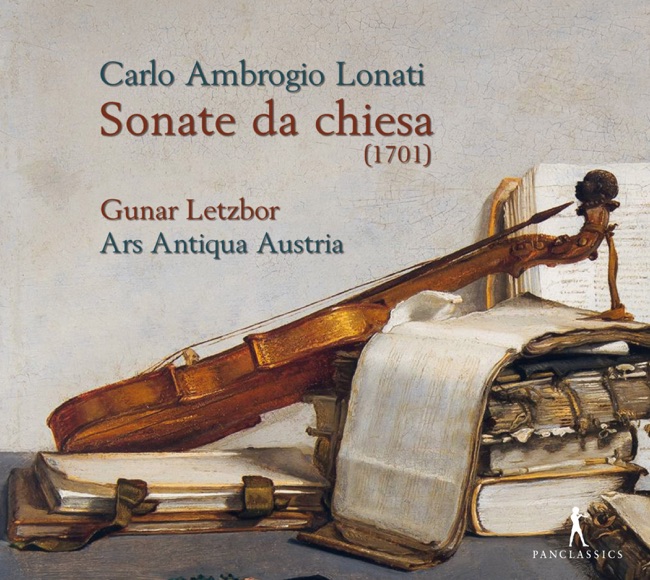
Composer:Carlo Ambrogio LonatiGenre:ChamberStyle:Chamber MusicAverage_duration:9:36Movement_count:5Movement ....The 'Sonata for violin & continuo No. 2 in G minor' is a Baroque composition by Carlo Ambrogio Lonati, an Italian composer and violinist who lived from 1645 to 1712. The exact date of composition is unknown, but it is believed to have been written in the late 17th century. The sonata is written for solo violin and continuo, which typically consists of a harpsichord and a bass instrument such as a cello or viola da gamba. The sonata is divided into four movements, each with its own distinct character and mood. The first movement is marked Adagio and is in G minor. It begins with a slow, mournful melody played by the violin, accompanied by the continuo. The second movement is marked Allegro and is in G major. It is a lively and energetic dance, with the violin and continuo trading off melodic phrases. The third movement is marked Adagio and is in C minor. It is a somber and introspective movement, with the violin playing a plaintive melody over a simple continuo accompaniment. The final movement is marked Allegro and is in G minor. It is a fast and lively dance, with the violin and continuo engaging in a playful dialogue. The 'Sonata for violin & continuo No. 2 in G minor' is a prime example of Baroque music, with its emphasis on melody, harmony, and counterpoint. The sonata showcases Lonati's virtuosic violin playing, with its intricate ornamentation and expressive phrasing. The use of the continuo provides a rich harmonic foundation for the violin, allowing it to soar and dance above the accompaniment. The sonata is also notable for its use of contrasting moods and tempos, which create a sense of drama and tension throughout the work. Overall, the 'Sonata for violin & continuo No. 2 in G minor' is a beautiful and engaging work that showcases the talents of both the composer and the performer. Its timeless appeal has ensured its place in the repertoire of Baroque music, and it continues to be performed and enjoyed by audiences around the world.More....
Works Music
Released Music