Charles-Valentin Alkan
Rondeau chromatique in B minor, Op. 12
Released Album
Recent Album

Works Info
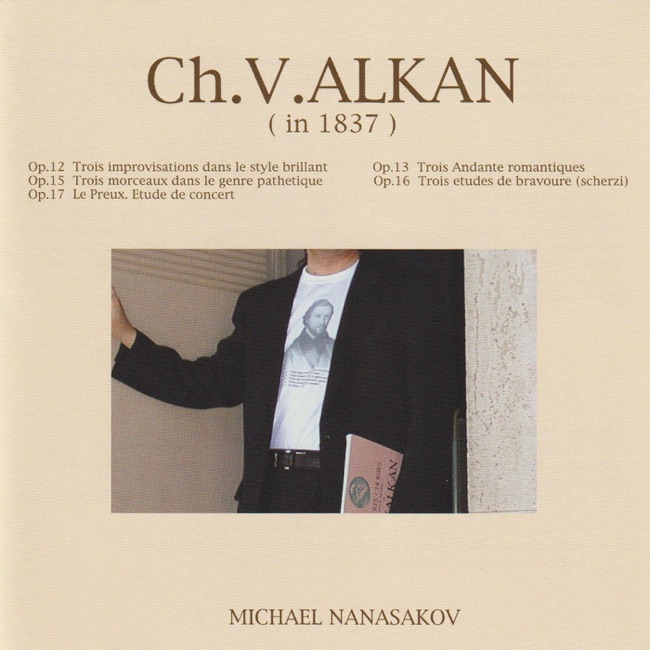
Composer:Charles-Valentin AlkanGenre:KeyboardStyle:KeyboardCompose Date:1833Publication Date:1834Average_duration:9:12Charles-Valentin Alkan's 'Rondeau chromatique in B minor, Op. 12' is a virtuosic piano piece that was composed in 1837. The piece premiered in Paris in the same year and was performed by the composer himself. The 'Rondeau chromatique' is a one-movement work that is characterized by its chromaticism, which is the use of notes that are not part of the diatonic scale. The piece is in B minor and is marked by a fast and lively tempo. The piece is also known for its technical demands, which include rapid octave passages, arpeggios, and complex fingerings. The 'Rondeau chromatique' is structured as a rondo, which means that it has a recurring theme that is interspersed with contrasting sections. The piece begins with a bold and dramatic introduction that sets the tone for the rest of the work. The main theme is then introduced, which is a lively and energetic melody that is characterized by its chromaticism. The first contrasting section is marked by a change in tempo and a shift to the key of D major. This section is more lyrical and melodic than the main theme and features a series of arpeggios and runs that showcase the pianist's technical abilities. The main theme then returns, followed by another contrasting section that is marked by a shift to the key of G major. The final section of the piece is a virtuosic coda that features rapid octave passages and arpeggios. The coda builds to a dramatic climax before ending with a flourish. Overall, the 'Rondeau chromatique in B minor, Op. 12' is a challenging and impressive work that showcases Alkan's technical prowess and compositional skill. The piece is characterized by its chromaticism, virtuosic demands, and rondo structure.More....
Works Music
Released Music