Franz Liszt
Präludium und Fuge über das Motiv B.A.C.H. (II), S. 260ii
Released Album
Recent Album

Works Info
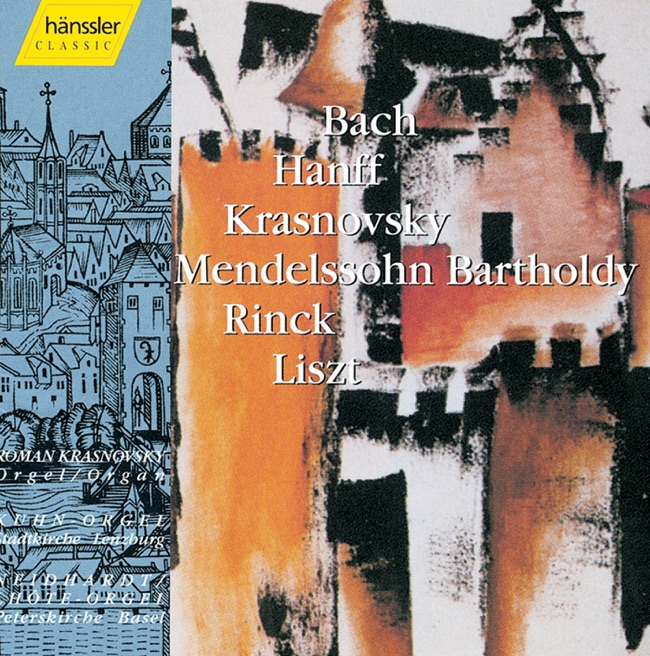
Composer:Franz LisztGenre:KeyboardStyle:KeyboardCompose Date:1870Publication Date:1872First Performance:May 21, 1872Average_duration:12:51Franz Liszt's 'Präludium und Fuge über das Motiv B.A.C.H. (II), S. 260ii' is a two-movement work for organ, composed in 1870. The piece was premiered by Liszt himself in the same year at the inauguration of the new organ at the Merseburg Cathedral in Germany. The first movement, the Prelude, is a virtuosic display of Liszt's organ technique. It begins with a grand introduction, featuring a series of ascending chords that build in intensity before giving way to a rapid and intricate fugue subject based on the notes B-A-C-H (B flat, A, C, B natural). The fugue subject is then developed through a series of complex and highly ornamented variations, showcasing Liszt's mastery of counterpoint and his ability to create intricate textures on the organ. The movement concludes with a triumphant coda, featuring a series of thunderous chords that bring the piece to a thrilling close. The second movement, the Fugue, is a more introspective and contemplative work. It begins with a somber and mournful theme, which is then developed through a series of intricate and highly chromatic variations. The fugue subject is then introduced, and the movement builds to a powerful climax before subsiding into a quiet and reflective coda. Overall, 'Präludium und Fuge über das Motiv B.A.C.H. (II), S. 260ii' is a complex and challenging work that showcases Liszt's virtuosic organ technique and his mastery of counterpoint. The piece is characterized by its intricate textures, complex harmonies, and highly ornamented melodies, and is considered one of Liszt's most important works for the organ.More....
Works Music