Johann Joachim Quantz
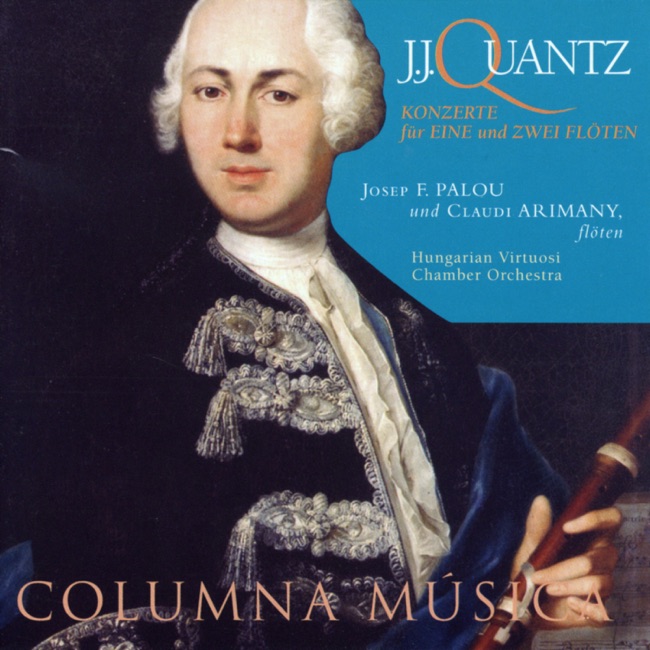
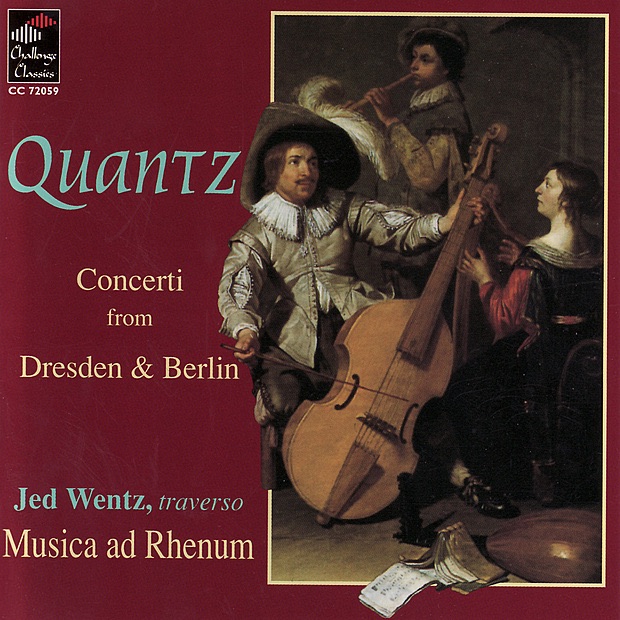
Concerto for 2 flutes, strings & continuo in G major, No. 89
Released Album
Recent Album
Works Info
Composer:Johann Joachim QuantzGenre:ConcertoStyle:ConcertoAverage_duration:13:44Movement_count:4Movement ....Johann Joachim Quantz, a German flutist and composer, composed the Concerto for 2 flutes, strings & continuo in G major, No. 89. The piece was composed in the mid-18th century, during the Baroque period. It was premiered in the court of King Frederick II of Prussia, who was a patron of Quantz. The concerto consists of three movements: Allegro, Largo, and Presto. The first movement, Allegro, is characterized by its lively and energetic tempo. The two flutes engage in a playful dialogue, with the strings and continuo providing a supportive accompaniment. The second movement, Largo, is a slow and expressive adagio. The flutes take turns playing a lyrical melody, accompanied by the strings and continuo. The final movement, Presto, is a fast and lively dance. The flutes engage in a virtuosic display of rapid runs and trills, with the strings and continuo providing a lively and rhythmic accompaniment. The concerto is notable for its technical demands on the flutists, particularly in the third movement. Quantz was known for his expertise in flute playing, and he wrote the concerto to showcase the capabilities of the instrument. The piece also demonstrates Quantz's skill as a composer, with its intricate counterpoint and harmonies. Overall, the Concerto for 2 flutes, strings & continuo in G major, No. 89 is a lively and engaging work that showcases the technical capabilities of the flute. Its three movements provide a varied and dynamic listening experience, with each movement highlighting a different aspect of the flute's capabilities.More....
Works Music