Edgard Varèse
Ecuatorial
Released Album
Recent Album
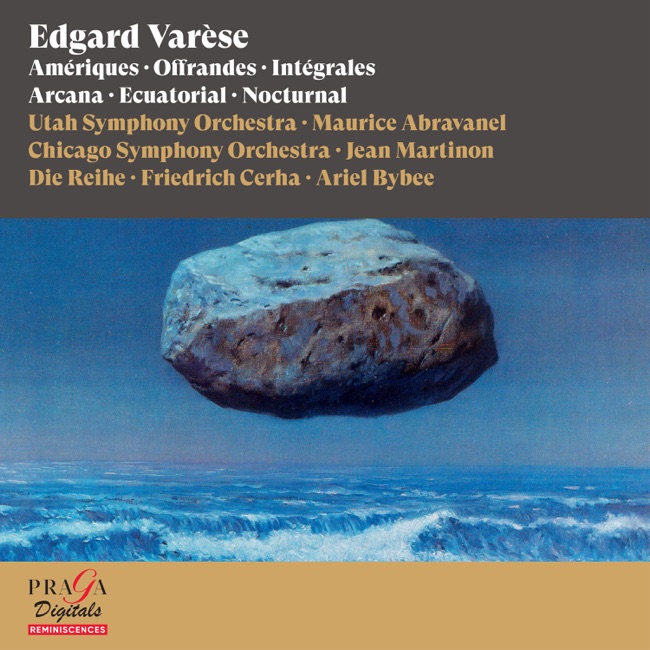
Featured Album
Works Info
Composer:Edgard VarèseGenre:VocalStyle:Open FormCompose Date:1932 - 1934Average_duration:11:20Edgard Varèse's "Ecuatorial" is a composition for percussion ensemble that was composed in 1932. The piece was premiered on May 20, 1934, at the New School for Social Research in New York City. "Ecuatorial" is divided into three movements, each with its own distinct characteristics. The first movement, titled "Intégrales," is characterized by its use of complex rhythms and polyrhythms. The percussion instruments are used to create a dense, layered texture that is both intricate and powerful. The movement is marked by sudden shifts in dynamics and tempo, creating a sense of tension and release. The second movement, titled "Density 21.5," is a solo for flute. The title refers to the density of platinum, which is 21.5 grams per cubic centimeter. The piece is written for a solo flute and is characterized by its use of extended techniques, such as flutter-tonguing and harmonics. The movement is marked by its ethereal, otherworldly quality. The third movement, titled "Octandre," is named after the eight-sided figure that is used to create the piece's structure. The movement is characterized by its use of dissonant harmonies and unconventional rhythms. The percussion instruments are used to create a sense of chaos and unpredictability, while the winds and brass provide a sense of stability and structure. Overall, "Ecuatorial" is a groundbreaking work that pushed the boundaries of what was possible in percussion music. Varèse's use of complex rhythms, unconventional harmonies, and innovative instrumentation paved the way for future generations of composers. The piece remains a landmark in the history of 20th-century music and continues to inspire musicians and audiences alike.More....
Works Music
Released Music
1
Ecuadorian
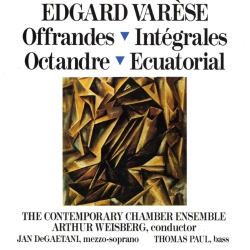
Ecuatorial, for bass voices 4 trumpets, 4 trombones, piano, organ, ondes Martenot and 15 percussion intruments
11:50
3
12:4
5
12:6
Featured Music