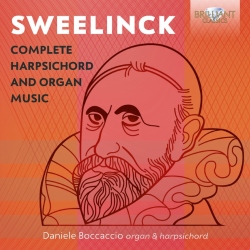
Jan Pieterszoon Sweelinck
Fantasia à 4 in C major, SwWV 254
Released Album
Recent Album
Works Info
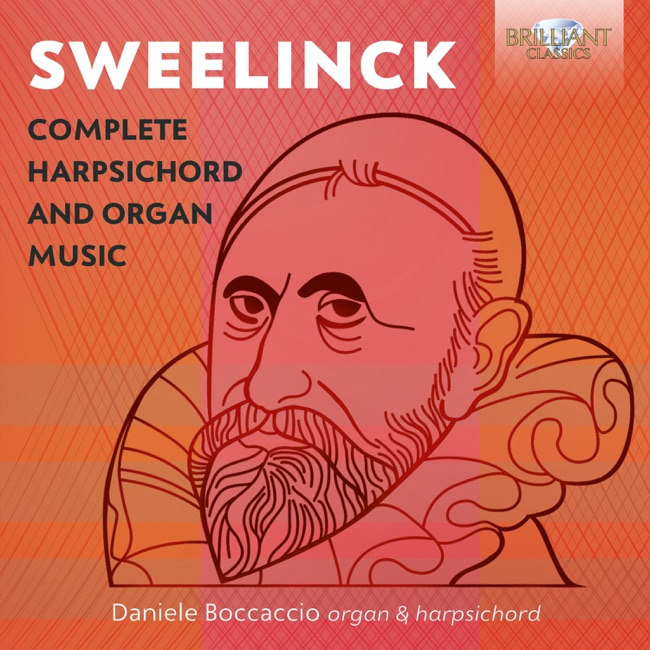
Composer:Jan Pieterszoon SweelinckGenre:KeyboardAverage_duration:5:14Jan Pieterszoon Sweelinck was a Dutch composer and organist who lived during the late Renaissance and early Baroque periods. He was born in 1562 in Deventer, Netherlands, and died in 1621 in Amsterdam. Sweelinck was known for his keyboard music, particularly his organ works, which were highly influential in the development of the North German organ school. One of Sweelinck's most famous works is the "Fantasia à 4 in C major, SwWV 254," which was composed for four instruments, likely violins or viols. The piece is believed to have been written in the early 1600s, although the exact date is unknown. It was likely composed for performance in a chamber music setting, rather than in a church or other public venue. The "Fantasia à 4" is divided into four movements, each with its own distinct character and mood. The first movement is marked "Allegro," and features a lively, dance-like rhythm. The second movement is a slower, more contemplative "Adagio," with a more somber tone. The third movement is marked "Allegro," and features a more complex, contrapuntal texture, with the four instruments weaving in and out of each other's melodies. The final movement is a lively "Allegro" that brings the piece to a rousing conclusion. One of the most notable characteristics of the "Fantasia à 4" is its use of imitative counterpoint, a technique in which one voice introduces a melody that is then echoed and developed by the other voices. This creates a rich, layered texture that is characteristic of Sweelinck's style. The piece also features a number of unexpected harmonic shifts and modulations, which add to its complexity and interest. Overall, the "Fantasia à 4 in C major, SwWV 254" is a masterful example of Sweelinck's skill as a composer and his ability to create complex, multi-layered works that are both intellectually stimulating and emotionally engaging. Its combination of lively rhythms, intricate counterpoint, and unexpected harmonies make it a true masterpiece of the early Baroque period.More....
Works Music
Released Music