


Arcangelo Corelli
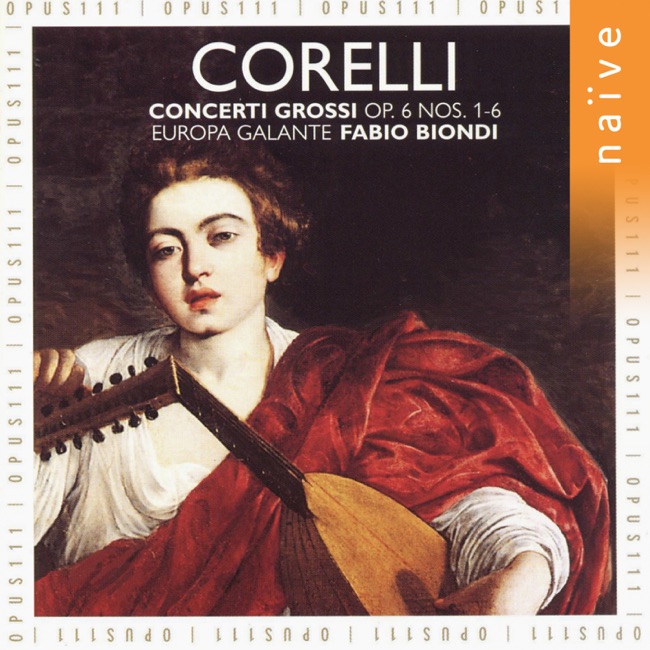
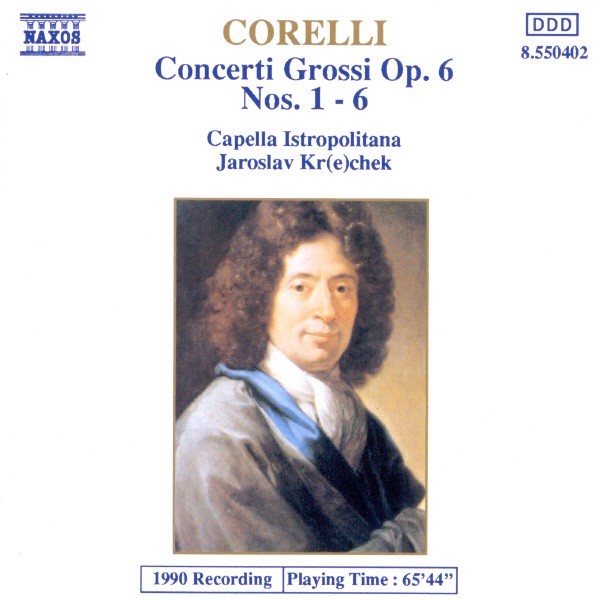
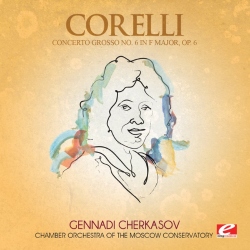
Concerto Grosso in F major, Op. 6/6
Released Album
Recent Album
Featured Album
Works Info
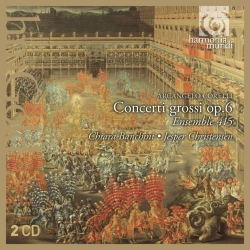
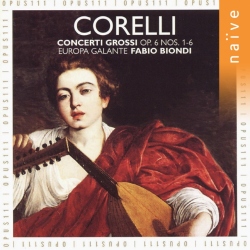
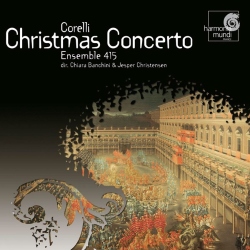
Composer:Arcangelo CorelliGenre:ConcertoStyle:ConcertoPublication Date:1714Average_duration:12:23Movement_count:5Movement ....Arcangelo Corelli's Concerto Grosso in F major, Op. 6/6 is a Baroque masterpiece that was composed in the late 17th century. The piece was first premiered in Rome in 1714 and has since become one of Corelli's most famous works. The concerto is divided into four movements, each with its own unique characteristics and musical themes. The first movement, marked as "Vivace," is a lively and energetic piece that features a fast-paced melody played by the solo violin and echoed by the rest of the orchestra. The second movement, marked as "Largo," is a slower and more contemplative piece that features a beautiful melody played by the solo violin. The third movement, marked as "Allegro," is a fast and lively piece that features a complex interplay between the solo violin and the rest of the orchestra. The final movement, marked as "Minuetto," is a playful and upbeat piece that features a catchy melody played by the solo violin. One of the most notable characteristics of Corelli's Concerto Grosso in F major is its use of the concerto grosso form. This form was popular during the Baroque period and typically featured a small group of soloists (known as the concertino) playing alongside a larger orchestra (known as the ripieno). In this concerto, the concertino consists of two violins and a cello, while the ripieno consists of a larger string orchestra. Another characteristic of the concerto is its use of counterpoint. Corelli was known for his mastery of counterpoint, which is the art of combining multiple melodies to create a harmonious whole. In this concerto, the solo violin often plays a complex melody that is echoed and complemented by the rest of the orchestra, creating a rich and layered sound. Overall, Corelli's Concerto Grosso in F major, Op. 6/6 is a stunning example of Baroque music. Its use of the concerto grosso form, mastery of counterpoint, and beautiful melodies make it a timeless masterpiece that continues to be celebrated and performed today.More....
Works Music
Released Music
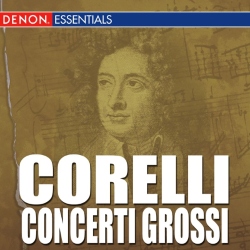
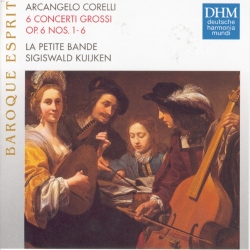
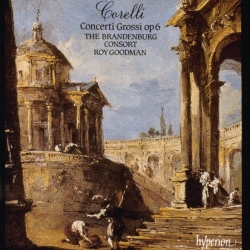
Featured Music
4
59
5
2:20
6
3:3
7
2:31
8
2:40
Main Perform Artists
Primary Artist
Primary Artist