François Couperin
Audite omnes et expanescite (Elévations)
Released Album
Recent Album
Works Info
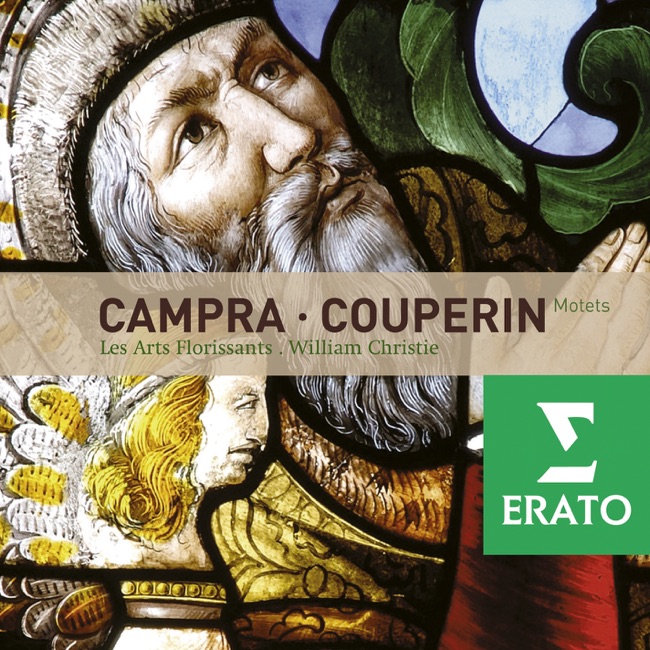
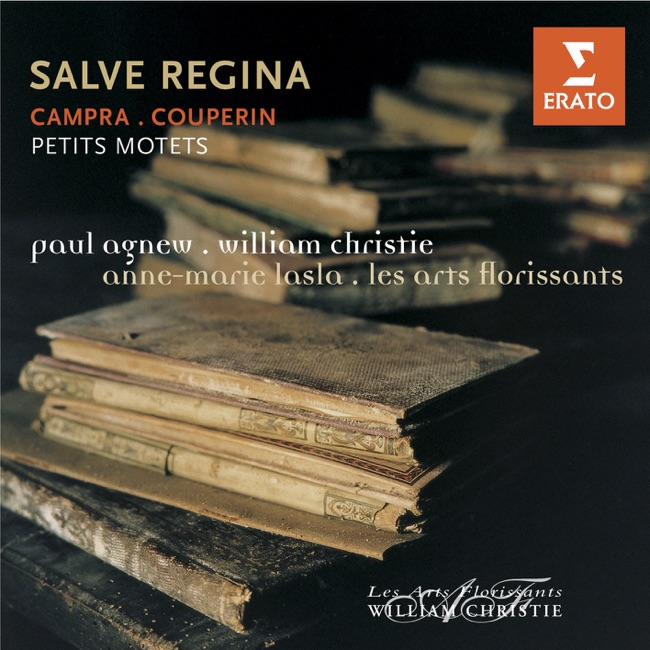
Composer:François CouperinGenre:VocalStyle:MotetCompose Date:ca. 1700Average_duration:9:37François Couperin was a French Baroque composer who lived from 1668 to 1733. He was a member of a family of musicians and was known for his keyboard music, chamber music, and vocal music. One of his most famous works is "Audite omnes et expanescite (Elévations)," which was composed in 1714. The piece is a motet for four voices and continuo, and it was written for the Feast of the Assumption of the Virgin Mary. It is divided into three movements, each of which has its own character and mood. The first movement, "Audite omnes," is a solemn and majestic setting of the text. The voices enter one by one, building to a grand climax before subsiding into a quiet ending. The music is characterized by its use of suspensions and dissonances, which create a sense of tension and release. The second movement, "Expanescite," is a more joyful and exuberant setting of the text. The voices are more animated, and the music is characterized by its use of syncopation and rhythmic energy. The movement ends with a lively fugue, in which the voices imitate each other in a complex and intricate pattern. The final movement, "Alleluia," is a triumphant and celebratory setting of the text. The voices are accompanied by a lively continuo, and the music is characterized by its use of fanfare-like motifs and joyful melodies. The movement ends with a grand cadence, bringing the piece to a satisfying conclusion. Overall, "Audite omnes et expanescite (Elévations)" is a masterful example of Couperin's skill as a composer. Its use of complex harmonies, intricate counterpoint, and expressive melodies make it a powerful and moving work, and it remains a beloved piece of Baroque choral music to this day.More....
Works Music