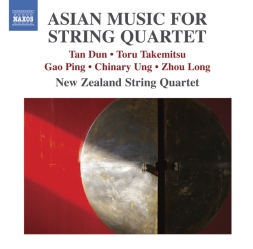
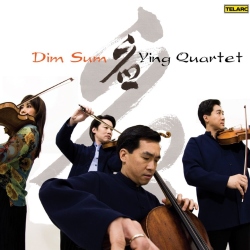
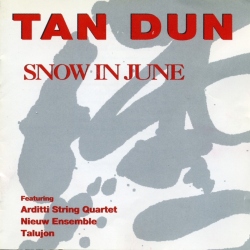
Tan Dun
Eight Colors for String Quartet
Released Album
Recent Album
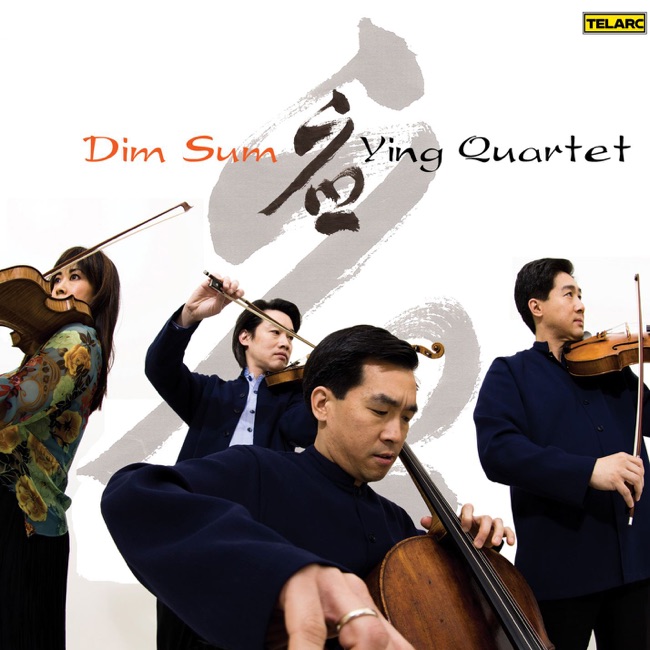
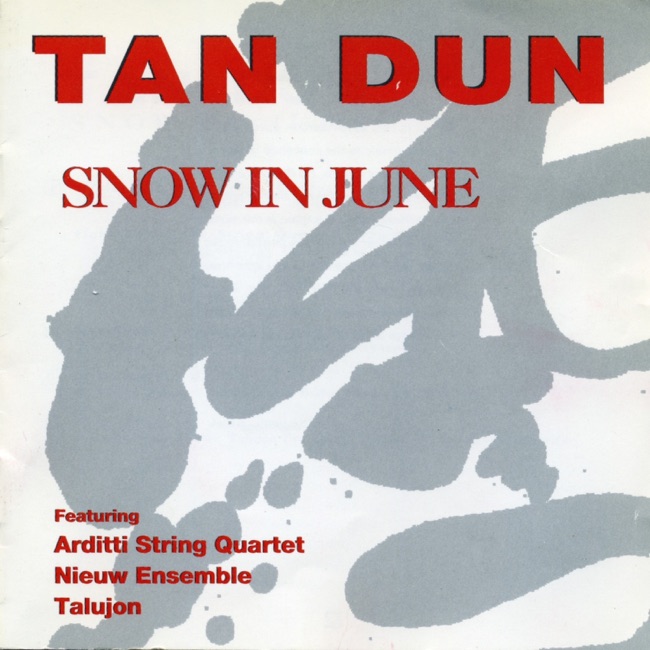
Works Info
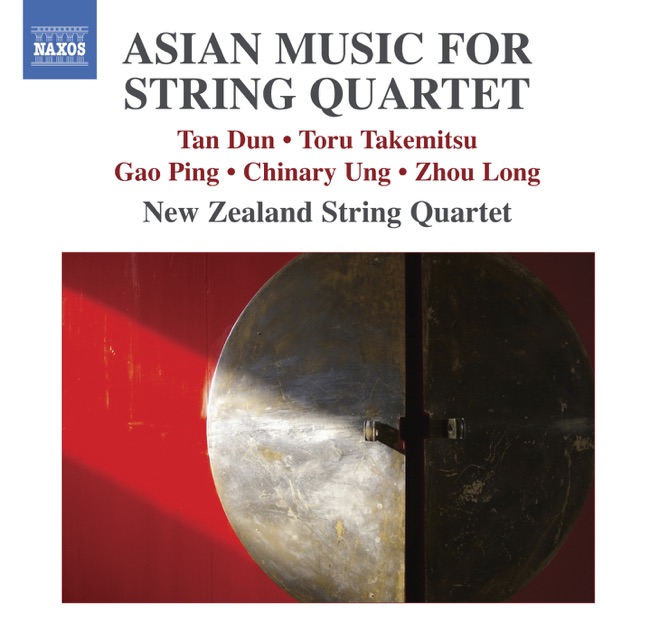
Composer:Tan DunGenre:ChamberStyle:QuartetCompose Date:1986 - 1988First Performance:Jun 13, 1988Average_duration:15:37Eight Colors for String Quartet is a contemporary classical composition by Chinese composer Tan Dun. The piece was composed in 1986 and premiered in the same year in Beijing, China. The composition consists of eight movements, each of which is named after a color and explores the unique characteristics and emotions associated with that color. The first movement, "Black," is characterized by its dark and brooding tone, with the strings playing dissonant and haunting melodies. The second movement, "White," is a stark contrast to the first, with the strings playing delicate and ethereal harmonies that evoke a sense of purity and innocence. The third movement, "Red," is a fiery and passionate piece, with the strings playing fast and frenzied melodies that convey a sense of urgency and intensity. The fourth movement, "Green," is a more tranquil and peaceful piece, with the strings playing gentle and soothing melodies that evoke a sense of nature and serenity. The fifth movement, "Yellow," is a bright and cheerful piece, with the strings playing lively and energetic melodies that convey a sense of joy and optimism. The sixth movement, "Blue," is a more introspective and contemplative piece, with the strings playing slow and mournful melodies that evoke a sense of sadness and longing. The seventh movement, "Purple," is a mysterious and enigmatic piece, with the strings playing haunting and otherworldly melodies that convey a sense of mysticism and intrigue. The final movement, "Gray," is a somber and reflective piece, with the strings playing slow and mournful melodies that evoke a sense of melancholy and introspection. Overall, Eight Colors for String Quartet is a masterful composition that showcases Tan Dun's unique style and ability to evoke a wide range of emotions through his music. The piece is a testament to the power of classical music to convey complex emotions and ideas, and it remains a popular and influential work in the contemporary classical repertoire.More....
Works Music
Released Music