Edgard Varèse
Dance for Burgess
Released Album
Featured Album
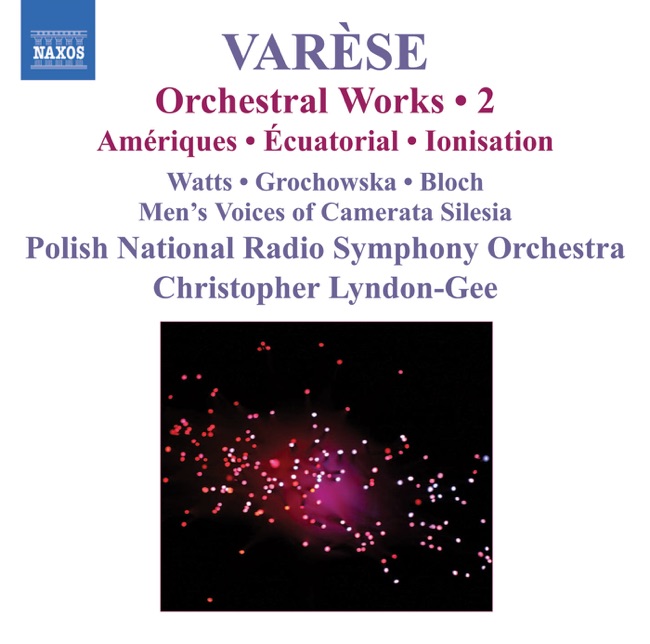
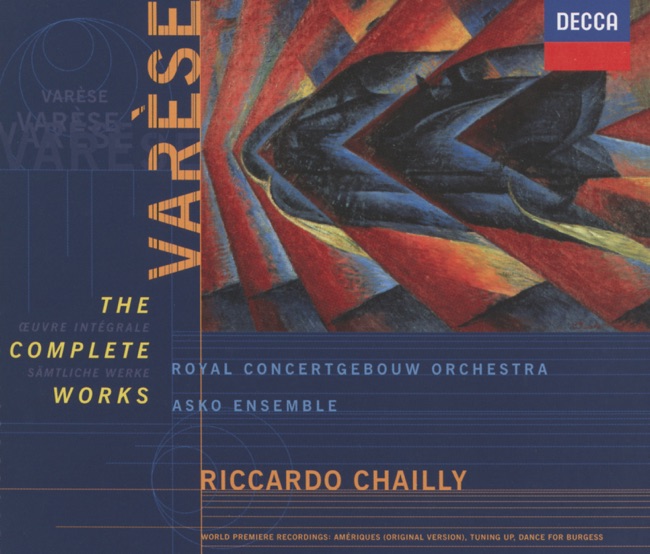
Works Info
Composer:Edgard VarèseGenre:OrchestralStyle:DanceCompose Date:1949Average_duration:1:44"Dance for Burgess" is a composition by Edgard Varèse, a French-American composer who is known for his pioneering work in electronic music. The piece was composed in 1949 and premiered on May 6, 1950, at the City Center of Music and Drama in New York City. The composition is divided into three movements, each with its own distinct characteristics. The first movement, titled "Introduction," is marked by a slow and mysterious tempo, with the use of percussion instruments such as the timpani and bass drum. The second movement, titled "Dance," is more lively and rhythmic, with the use of brass and woodwind instruments. The final movement, titled "Finale," is marked by a return to the slow and mysterious tempo of the first movement, with the use of percussion instruments and a haunting melody played by the strings. One of the most notable characteristics of "Dance for Burgess" is its use of unconventional instrumentation. In addition to the traditional orchestral instruments, Varèse also incorporated electronic instruments such as the theremin and the ondes Martenot. This was a reflection of Varèse's interest in exploring new sounds and pushing the boundaries of traditional music. Another characteristic of the composition is its use of dissonance and atonality. Varèse was known for his rejection of traditional tonality and his use of dissonant harmonies and unconventional scales. This can be heard throughout "Dance for Burgess," particularly in the second movement. Overall, "Dance for Burgess" is a complex and innovative composition that reflects Varèse's unique approach to music. Its use of unconventional instrumentation and dissonant harmonies make it a challenging but rewarding piece for both performers and listeners.More....
Works Music
Featured Music