


Francisco Correa de Arrauxo
Discurso de medio registro de dos baxones de 4 Tono
Released Album
Recent Album
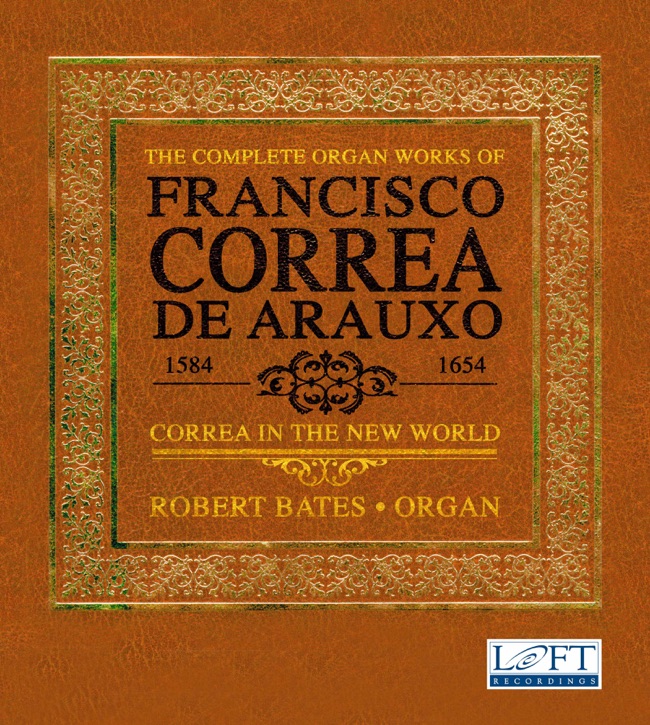
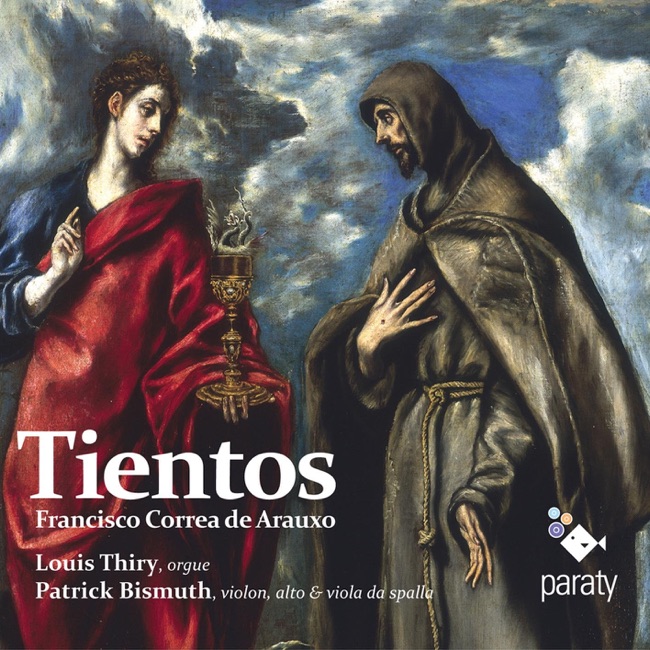
Works Info
Composer:Francisco Correa de ArrauxoGenre:KeyboardStyle:KeyboardAverage_duration:6:34"Discurso de medio registro de dos baxones de 4 Tono" is a piece of music composed by Francisco Correa de Arrauxo, a Spanish composer and organist who lived during the 16th and 17th centuries. The piece was composed for the organ and is part of a collection of works known as "Libro de tientos y discursos de música práctica" (Book of Touches and Discourses of Practical Music). The piece was likely composed in the early 17th century, although the exact date is unknown. It was first performed on the organ, although it is not clear where or when the premiere took place. "Discurso de medio registro de dos baxones de 4 Tono" is divided into three movements, each of which is characterized by a different tempo and mood. The first movement is marked "Allegro," and is characterized by a lively, energetic rhythm. The second movement is marked "Adagio," and is slower and more contemplative in nature. The final movement is marked "Allegro," and returns to the lively, energetic rhythm of the first movement. The piece is notable for its use of the organ's registers, or sets of pipes, which are used to create different tones and timbres. In "Discurso de medio registro de dos baxones de 4 Tono," Correa de Arrauxo uses two registers, or baxones, to create a rich, complex sound. The piece also features intricate ornamentation and virtuosic passages, which showcase the technical skill of the performer. Overall, "Discurso de medio registro de dos baxones de 4 Tono" is a masterful example of Baroque organ music, and is still performed and studied by musicians today.More....
Works Music
Released Music
1
Discurso de medio register de dos baxones de 4 Tono
Discurso de medio registro de dos baxones de quarto tono (LVI)
5:40
2
Discurso de medio register de dos baxones de 4 Tono
Discurso de medio registro de dos baxones de quarto tono
5:48