Johann Christoph Friedrich Bach
Sonata for flute & keyboard in D minor
Released Album
Recent Album
Works Info
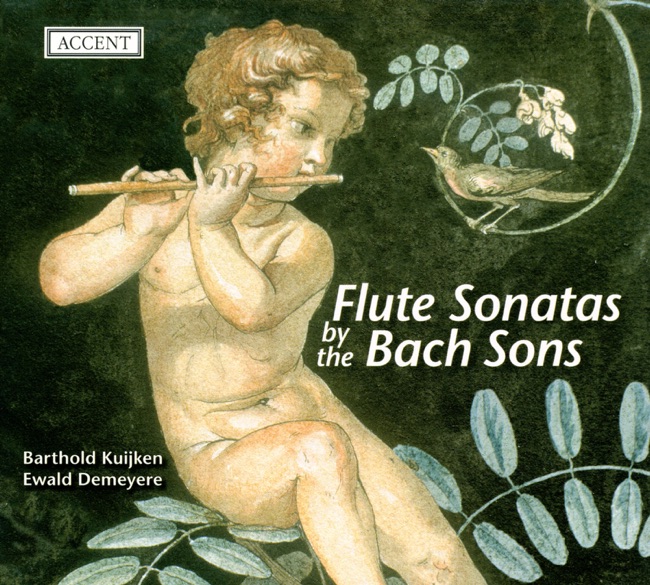
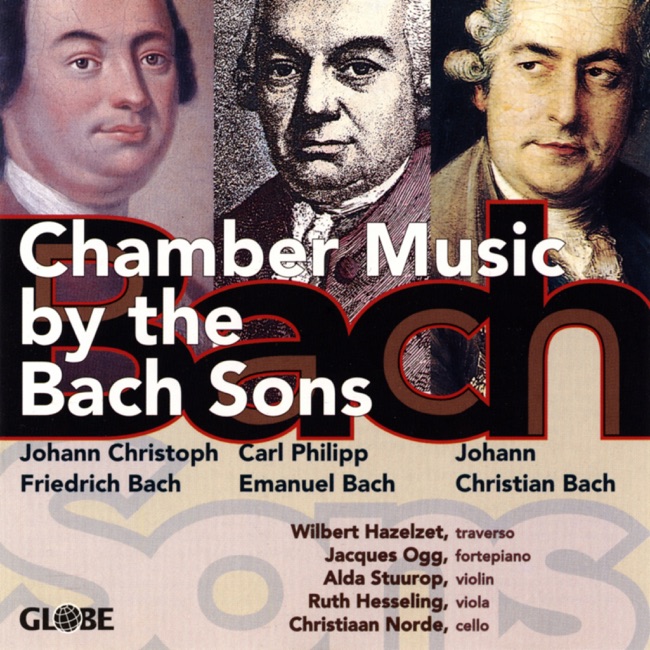
Composer:Johann Christoph Friedrich BachGenre:ChamberStyle:SonataCompose Date:1777Average_duration:19:21Movement_count:3Movement ....Johann Christoph Friedrich Bach's Sonata for flute and keyboard in D minor was composed in the mid-18th century. The exact date of composition is unknown, but it is believed to have been written between 1750 and 1760. The sonata was premiered in Leipzig, Germany, where Bach was working as the music director for the city's five main churches. The sonata consists of three movements: an opening Adagio, a lively Allegro, and a final Andante. The first movement begins with a slow, mournful melody played by the flute, accompanied by a simple, chordal keyboard part. The second movement is a fast, dance-like piece, with the flute and keyboard trading off melodic phrases. The final movement is a slow, lyrical piece, with the flute and keyboard playing in close harmony. The sonata is notable for its use of counterpoint, a technique in which two or more melodic lines are played simultaneously. Bach was known for his skill in counterpoint, and this sonata is a prime example of his mastery of the technique. The flute and keyboard parts are intricately woven together, creating a rich, complex texture. Another characteristic of the sonata is its use of ornamentation. Ornamentation refers to the embellishments and flourishes that are added to a melody to make it more expressive. Bach's sonata is full of trills, turns, and other ornamentation, which add to the beauty and complexity of the music. Overall, Johann Christoph Friedrich Bach's Sonata for flute and keyboard in D minor is a beautiful and complex piece of music. Its use of counterpoint and ornamentation make it a prime example of the Baroque style, and its three movements showcase Bach's skill as a composer.More....
Works Music
Released Music