Paolo Benedetto Bellinzani
Sonata for flute & harpsichord in G minor, Op. 3/7
Released Album
Recent Album
Works Info
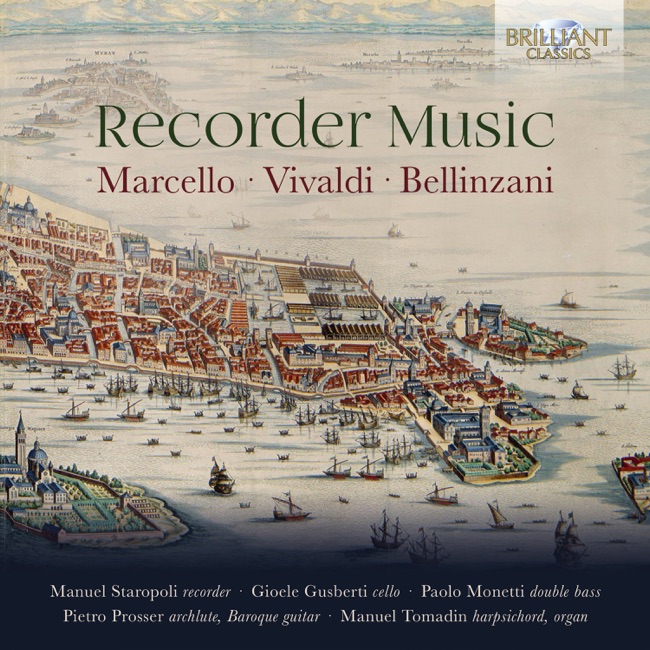
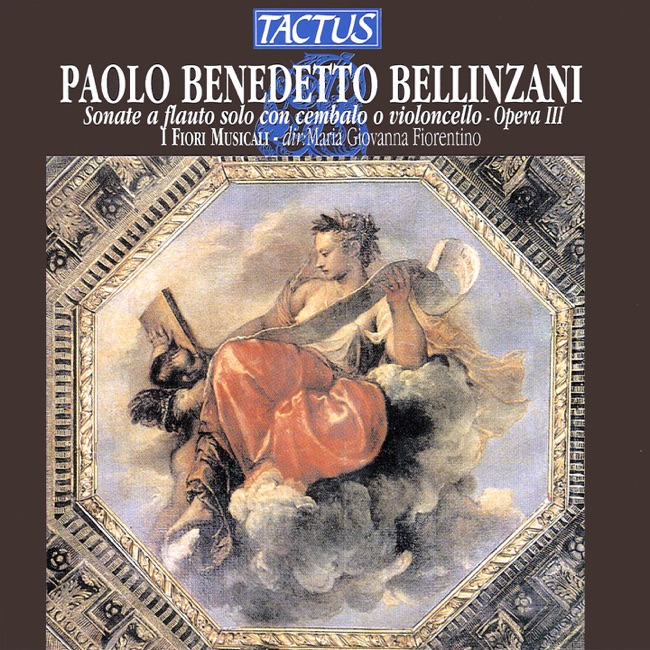
Composer:Paolo Benedetto BellinzaniGenre:ChamberStyle:Chamber MusicCompose Date:1728Average_duration:6:23Movement_count:4Movement ....Paolo Benedetto Bellinzani's Sonata for flute & harpsichord in G minor, Op. 3/7, is a Baroque composition that was composed in the early 18th century. The exact date of composition is unknown, but it is believed to have been written around 1720. The sonata is one of Bellinzani's most famous works and is considered a masterpiece of the Baroque era. The sonata is comprised of three movements: Adagio, Allegro, and Adagio. The first movement, Adagio, is a slow and melancholic piece that sets the tone for the entire sonata. The second movement, Allegro, is a lively and energetic piece that showcases the virtuosity of both the flute and the harpsichord. The final movement, Adagio, is a slow and contemplative piece that brings the sonata to a peaceful and serene conclusion. The sonata is characterized by its use of counterpoint, which is a technique that involves the interweaving of multiple melodies to create a complex and harmonious sound. Bellinzani's use of counterpoint in the sonata is particularly impressive, as he manages to create a rich and intricate texture that is both beautiful and engaging. Another notable characteristic of the sonata is its use of ornamentation. Ornamentation is a technique that involves the embellishment of a melody with additional notes or flourishes. Bellinzani's use of ornamentation in the sonata is particularly effective, as it adds a sense of elegance and sophistication to the music. The sonata premiered in the early 18th century and quickly became popular among Baroque music enthusiasts. Today, it is still widely performed and is considered a staple of the Baroque repertoire. Its enduring popularity is a testament to Bellinzani's skill as a composer and his ability to create music that is both beautiful and timeless.More....
Works Music