


Franz Liszt
Ave Maria (Harmonies poétiques No. 2), S. 173/2
Released Album
Recent Album
Works Info
Composer:Franz LisztGenre:KeyboardStyle:KeyboardCompose Date:1842Publication Date:1853Average_duration:6:20Franz Liszt's "Ave Maria (Harmonies poétiques No. 2), S. 173/2" is a solo piano piece that was composed in 1847. It is part of a larger collection of piano works called "Harmonies poétiques et religieuses," which was inspired by the composer's religious beliefs and his interest in poetry. The piece is divided into three distinct movements, each with its own unique characteristics. The first movement is marked "Andante," and it begins with a simple, yet haunting melody in the right hand. The left hand provides a gentle accompaniment, creating a sense of peacefulness and serenity. As the movement progresses, the melody becomes more complex, with Liszt adding flourishes and embellishments to the original theme. The second movement is marked "Piu mosso," and it is the most dramatic and intense section of the piece. Liszt uses a variety of techniques to create a sense of urgency and tension, including rapid arpeggios, sudden shifts in dynamics, and unexpected chord progressions. Despite its intensity, however, the movement never loses its sense of beauty and elegance. The final movement is marked "Andante sostenuto," and it is a return to the peacefulness of the first movement. Liszt uses a simple, yet beautiful melody in the right hand, while the left hand provides a gentle accompaniment. As the movement progresses, the melody becomes more complex, with Liszt adding more intricate harmonies and embellishments. Overall, "Ave Maria (Harmonies poétiques No. 2), S. 173/2" is a beautiful and moving piece of music that showcases Liszt's skill as a composer and pianist. Its combination of simplicity and complexity, drama and serenity, make it a timeless masterpiece that continues to captivate audiences today.More....
Works Music
Released Music
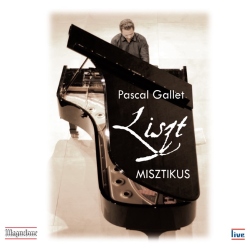
2
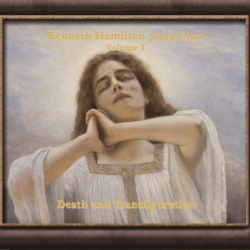
Ave Maria (Harmonies poétiques No. 2), p. 173/2
Ave Maria (Harmonies poétiques et religieuses)
6:29
3
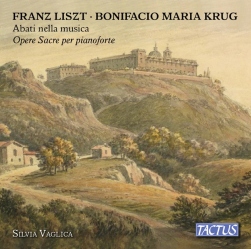
Ave Maria (Harmonies poétiques No. 2), p. 173/2
Ave Maria da Armonie Poetiche e Religiose S 173
7:12
4
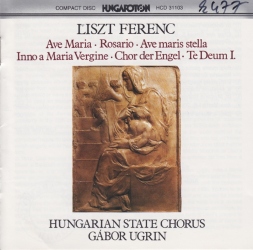
5:36