John Cage
Five Songs for Contralto
Released Album
Recent Album
Featured Album
Works Info
Composer:John CageGenre:VocalStyle:Vocal MusicCompose Date:1938Average_duration:7:53Movement_count:5Movement ....John Cage's "Five Songs for Contralto" is a composition for voice and piano that was composed in 1938. The piece was premiered in New York City in 1940, with the composer accompanying the singer on the piano. The work consists of five movements, each of which sets a different text by the American poet e.e. cummings. The first movement, "i sing of Olaf glad and big," is a setting of a poem about a soldier who refuses to fight in a war. The music is spare and dissonant, with the piano providing a series of jagged, angular chords that contrast with the smooth, lyrical vocal line. The second movement, "plato told," is a setting of a poem that explores the nature of reality and perception. The music is more contemplative than the first movement, with the piano providing a series of gentle, flowing arpeggios that support the singer's soaring vocal line. The third movement, "if there are any heavens," is a setting of a poem that imagines the afterlife as a place of beauty and peace. The music is ethereal and otherworldly, with the piano providing a series of shimmering, delicate chords that create a sense of weightlessness. The fourth movement, "little tree," is a setting of a poem that celebrates the beauty and resilience of nature. The music is playful and whimsical, with the piano providing a series of sprightly, syncopated rhythms that support the singer's lively vocal line. The fifth and final movement, "my father moved through dooms of love," is a setting of a poem that explores the complex relationship between a father and son. The music is introspective and melancholy, with the piano providing a series of mournful, descending chords that create a sense of sadness and loss. Overall, "Five Songs for Contralto" is a challenging and innovative work that showcases Cage's unique approach to composition. The music is characterized by its spareness, dissonance, and unconventional use of rhythm and harmony, and the texts by e.e. cummings provide a rich and varied source of inspiration for the composer.More....
Works Music
Released Music
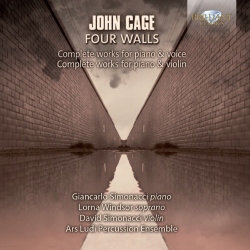
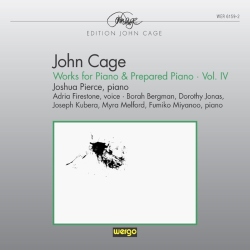
Featured Music