


François Couperin
La Muséte de Taverni (Pièces de clavecin, III, 15e ordre)
Released Album
Recent Album
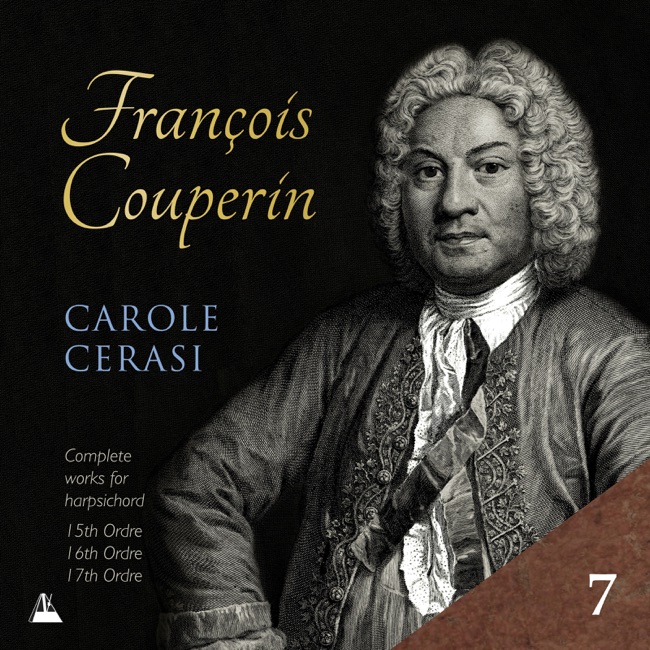
Featured Album
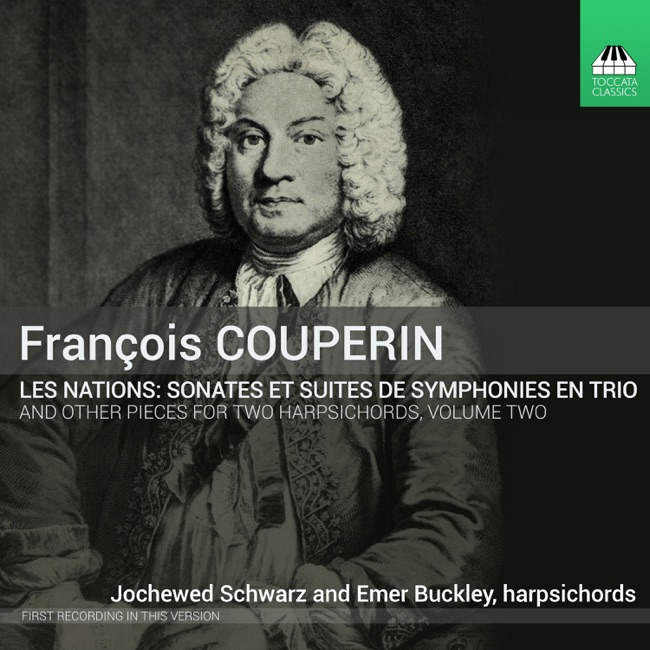
Works Info
Composer:François CouperinGenre:KeyboardStyle:Character PiecePublication Date:1722Average_duration:2:09La Muséte de Taverni is a piece from François Couperin's Pièces de clavecin, III, 15e ordre. The piece was composed in the early 18th century, during the Baroque period. It premiered in Paris, France, in 1722. The piece is divided into three movements: Prélude, Muséte en Rondeau, and Tambourin. The Prélude is a slow and expressive introduction that sets the mood for the piece. The Muséte en Rondeau is the main movement of the piece and is characterized by its lively and dance-like rhythm. The Tambourin is a fast and energetic finale that brings the piece to a thrilling conclusion. The Muséte en Rondeau is the most famous movement of the piece and is known for its use of the musette, a type of bagpipe. The musette is a small, portable bagpipe that was popular in France during the Baroque period. Couperin uses the musette to create a rustic and pastoral atmosphere, evoking the image of a lively tavern scene. The piece is also characterized by its use of ornamentation, which was a common feature of Baroque music. Couperin uses trills, mordents, and other embellishments to add color and texture to the music. Overall, La Muséte de Taverni is a lively and energetic piece that showcases Couperin's skill as a composer. Its use of the musette and ornamentation make it a quintessential example of Baroque music.More....
Works Music
Released Music
2
La Muséte de Taverni (Pièces de clavecin, III, 15e order)
Muséte de Choisi and Muséte de Taverni
5:19
3
La Muséte de Taverni (Pièces de clavecin, III, 15e order)
Muséte de Taverni (à 5 mains) [15° ordre]
2:24
Featured Music
2
La Muséte de Taverni (Pièces de clavecin, III, 15e order)
Muséte de Taverni (Pièces de Clavecin, Troisième livre, Quinzième ordre)
2:33