


Franz Liszt
Symphonies de Beethoven No. 6 (III) in F major, S. 464/6
Released Album
Recent Album



Featured Album
Works Info
Composer:Franz LisztGenre:KeyboardStyle:SymphonyCompose Date:1863 - 1864Publication Date:1865Average_duration:45:55Movement_count:5Movement ....Franz Liszt's "Symphonies de Beethoven No. 6 (III) in F major, S. 464/6" is a transcription of the third movement of Ludwig van Beethoven's Symphony No. 6 in F major, Op. 68, also known as the "Pastoral Symphony." Liszt composed this transcription in 1838, and it was premiered in the same year. The "Symphonies de Beethoven No. 6 (III) in F major, S. 464/6" is a single-movement work that lasts approximately 12 minutes. It is part of a larger collection of transcriptions that Liszt made of Beethoven's symphonies, which he called "Symphonies de Beethoven, S. 464." Liszt's transcriptions were intended to bring Beethoven's music to a wider audience, as they allowed pianists to perform the symphonies in solo recitals. The third movement of Beethoven's Symphony No. 6 is a scherzo, which is a fast-paced, playful musical form. Liszt's transcription captures the energy and liveliness of the original, while also showcasing his virtuosic piano writing. The piece begins with a series of rapid, staccato chords that set the tone for the entire movement. The main theme is then introduced, a lively melody that is passed between the hands of the pianist. Liszt's transcription includes many virtuosic flourishes, such as rapid runs and arpeggios, that showcase the technical abilities of the performer. Despite the technical demands of the piece, Liszt's transcription also captures the pastoral quality of Beethoven's original. The middle section of the movement features a more lyrical melody, which Liszt plays with a delicate touch. The piece then returns to the main theme, which is played with even greater energy and intensity than before. The final section of the piece features a series of rapid, ascending arpeggios that bring the piece to a thrilling conclusion. Overall, Liszt's "Symphonies de Beethoven No. 6 (III) in F major, S. 464/6" is a virtuosic and exciting transcription of Beethoven's original. It showcases both Liszt's technical abilities as a pianist and his skill as a composer. The piece remains a popular choice for pianists today, as it allows them to perform a beloved symphonic work in a solo setting.More....
Works Music
Released Music


4
Symphonies de Beethoven no. 6 (III) in F major, p. 464/6
Erwachen heiterer Gefühle bei der Ankunft auf dem Lande (Cheerful feelings aroused on arrival in th
12:27
5
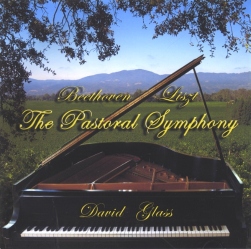
Symphonies de Beethoven no. 6 (III) in F major, p. 464/6
The Awakening of Cheerful Feelings on Arriving in the Country
13:23
6

Symphonies de Beethoven no. 6 (III) in F major, p. 464/6
II. Scene am Bach. Andante molto moto
11:9
Featured Music
1
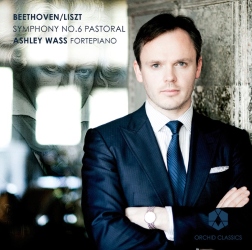
Symphonies de Beethoven no. 6 (III) in F major, p. 464/6
Erwachen heiterer Emptindungen bei der Ankunft auf dem Lande. Allegro ma non troppo
14:5
3
Symphonies de Beethoven no. 6 (III) in F major, p. 464/6
Lustiges Zusammensein der Landleute. Allegro
6:35
5
Symphonies de Beethoven no. 6 (III) in F major, p. 464/6
Hirtengesang. Frohe und dankbare Gefühle nach dem Sturm. Allegretto
10:59
6
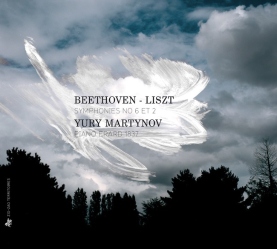
Symphonies de Beethoven no. 6 (III) in F major, p. 464/6
1. Allegro ma non troppo. Eveil de sentiments de joie en arrivant à la campagne
12:29
7
Symphonies de Beethoven no. 6 (III) in F major, p. 464/6
5. Allegretto. Sentiments d'allégressee et de reconnaisance après la tempête
10:1
8
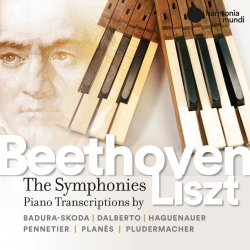
Symphonies de Beethoven no. 6 (III) in F major, p. 464/6
Erwachen heiterer Empfindungen bei der Ankunft auf dem Lande (Allegro ma non troppo)
16:30
10
Symphonies de Beethoven no. 6 (III) in F major, p. 464/6
Lustiges Zusammensein der Landleute (Allegro)
15:59