Max Reger
Fugue for organ in C minor
Released Album
Recent Album

Featured Album
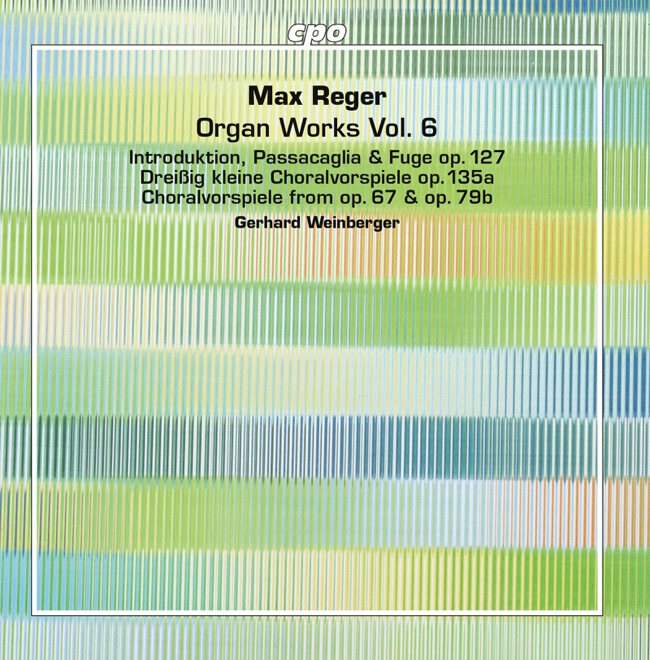
Works Info
Composer:Max RegerGenre:KeyboardCompose Date:1900Average_duration:2:21Max Reger's Fugue for organ in C minor, Op. 63 No. 6, was composed in 1900 and premiered on October 28th of the same year in the St. Paul's Church in Frankfurt. The piece is part of a collection of twelve organ pieces, collectively known as the "Twelve Pieces for Organ," which Reger composed between 1899 and 1900. The Fugue for organ in C minor is a single-movement work that follows the traditional structure of a fugue. It begins with a subject, a short melodic phrase that is introduced by the organ's pedals. The subject is then imitated by the hands in a higher register, and the piece continues with a series of entries of the subject in different voices and registers. Reger's Fugue for organ in C minor is characterized by its complex and dense texture, which is typical of his style. The piece features intricate counterpoint, with multiple voices weaving in and out of each other, creating a rich and layered sound. Reger also employs chromaticism, using notes outside of the traditional diatonic scale to create tension and dissonance. The Fugue for organ in C minor is a challenging piece to perform, requiring a high level of technical skill and musical understanding. It is often considered one of Reger's most significant works for the organ, and it has become a staple of the organ repertoire. Overall, Max Reger's Fugue for organ in C minor is a masterful example of the fugue form, showcasing the composer's skill in counterpoint and chromaticism. Its dense texture and complex structure make it a challenging but rewarding piece for both performers and listeners.More....
Works Music
Released Music


Featured Music