John Cage
Sonata, for Clarinet
Released Album
Recent Album
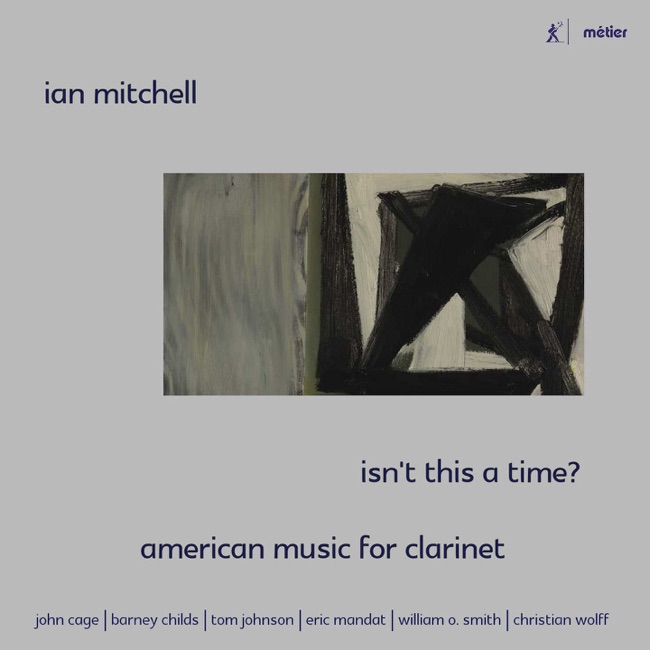
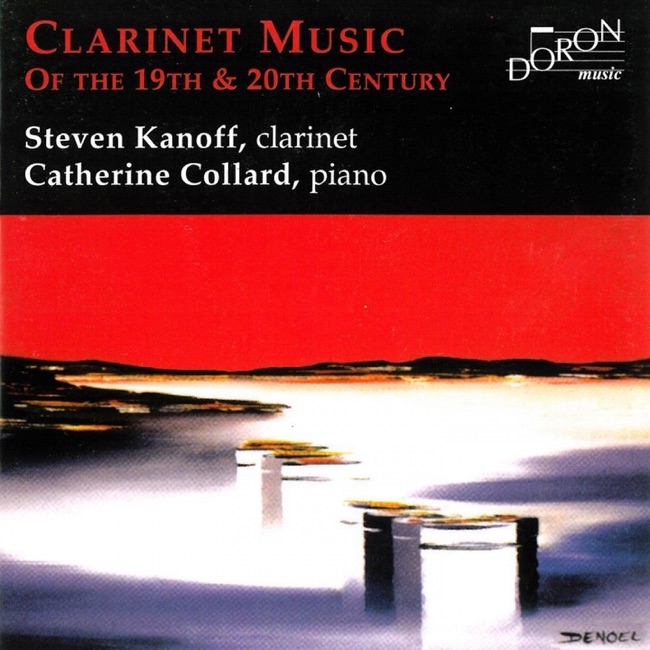
Works Info
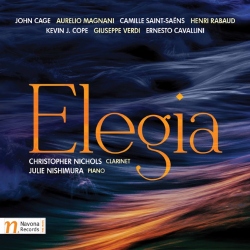
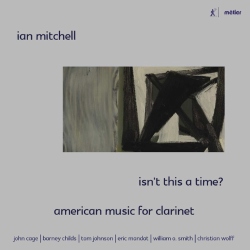
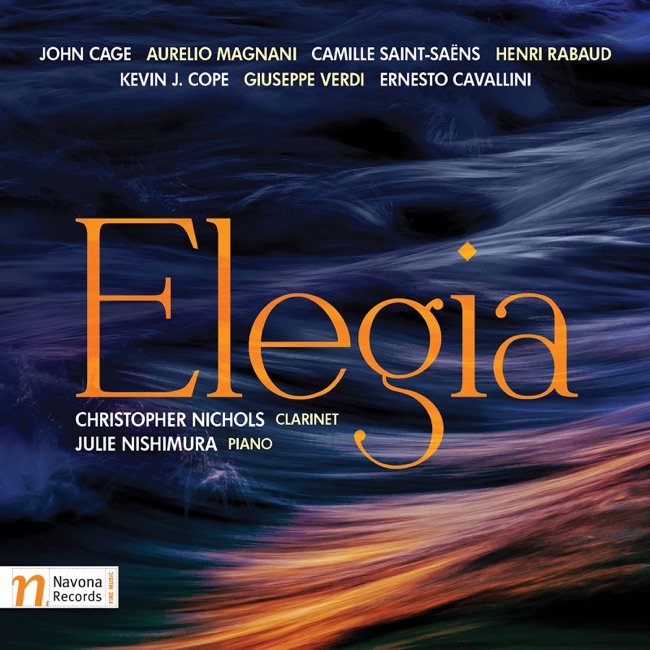
Composer:John CageGenre:ChamberStyle:SonataCompose Date:1933Average_duration:4:01John Cage's Sonata for Clarinet was composed in 1933 and premiered in 1934. The piece consists of three movements, each with its own unique characteristics. The first movement is marked "Allegro moderato" and is characterized by its lively and playful nature. The clarinet's melodic lines are accompanied by sparse piano chords, creating a sense of space and openness. Cage's use of silence and extended techniques, such as flutter-tonguing and glissandi, add to the movement's whimsical and unpredictable character. The second movement, marked "Andantino", is more introspective and contemplative. The clarinet's long, sustained notes are accompanied by delicate piano arpeggios, creating a sense of stillness and tranquility. Cage's use of microtonal intervals and unconventional harmonies adds to the movement's ethereal and otherworldly quality. The final movement, marked "Allegro vivo", is the most energetic and virtuosic of the three. The clarinet's rapid, staccato passages are accompanied by driving piano rhythms, creating a sense of urgency and excitement. Cage's use of syncopation and irregular meters adds to the movement's frenetic and unpredictable character. Overall, Cage's Sonata for Clarinet is a groundbreaking work that showcases his innovative approach to composition. By incorporating extended techniques, unconventional harmonies, and a sense of playfulness and experimentation, Cage created a piece that challenged traditional notions of what music could be.More....
Works Music
Released Music