Franz Liszt
Pater Noster I, S. 29
Released Album
Recent Album

Works Info
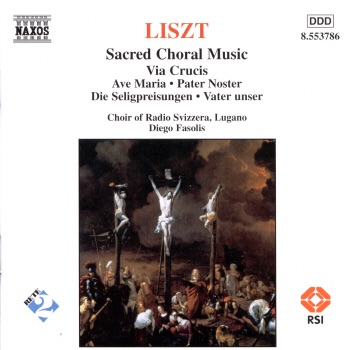
Composer:Franz LisztGenre:ChoralStyle:ChoralCompose Date:1860Publication Date:1864First Performance:May 25, 1865Average_duration:8:16Franz Liszt's 'Pater Noster I, S. 29' is a choral work that was composed in 1862. It was premiered in the same year in Weimar, Germany. The piece is divided into three movements, each of which is characterized by its own unique musical style and structure. The first movement of 'Pater Noster I' is marked by a slow and solemn tempo. It begins with a unison chant by the choir, which is then joined by a solo soprano voice. The music gradually builds in intensity, with the choir and soloist alternating between sections of quiet contemplation and powerful, soaring melodies. The movement ends with a final, triumphant chorus that celebrates the glory of God. The second movement of the piece is much faster and more energetic than the first. It features a lively, dance-like rhythm that is driven by the choir's rhythmic chanting. The music is characterized by its use of syncopation and complex harmonies, which create a sense of tension and excitement. The movement ends with a sudden, dramatic pause that leaves the listener on the edge of their seat. The final movement of 'Pater Noster I' is a slow and contemplative piece that features a solo soprano voice accompanied by a simple, yet hauntingly beautiful melody. The choir provides a gentle, supportive background to the soloist's soaring vocals, creating a sense of peace and tranquility. The movement ends with a final, quiet chorus that fades away into silence. Overall, 'Pater Noster I, S. 29' is a powerful and moving choral work that showcases Liszt's mastery of musical composition. Its three movements each offer a unique perspective on the theme of prayer and devotion, and its use of complex harmonies and rhythms creates a sense of drama and excitement that is sure to captivate listeners.More....