


Max Bruch
String Quartet No.2, in E major, Op. 10
Released Album
Recent Album
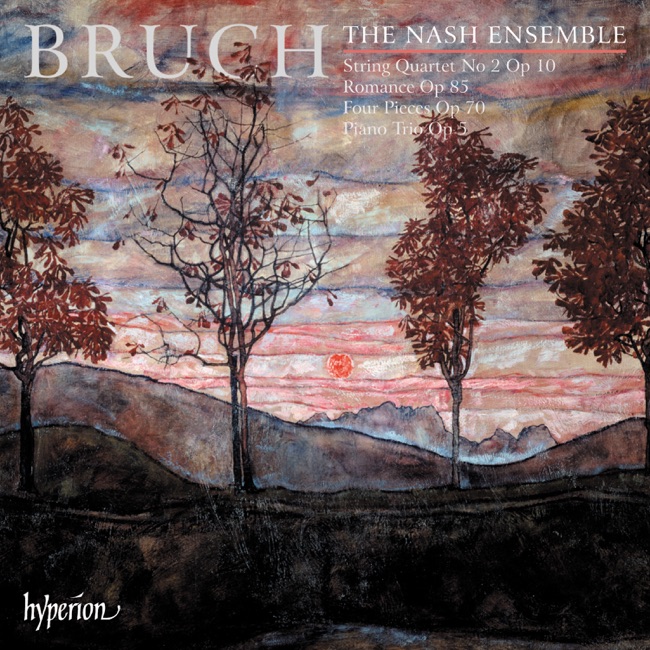

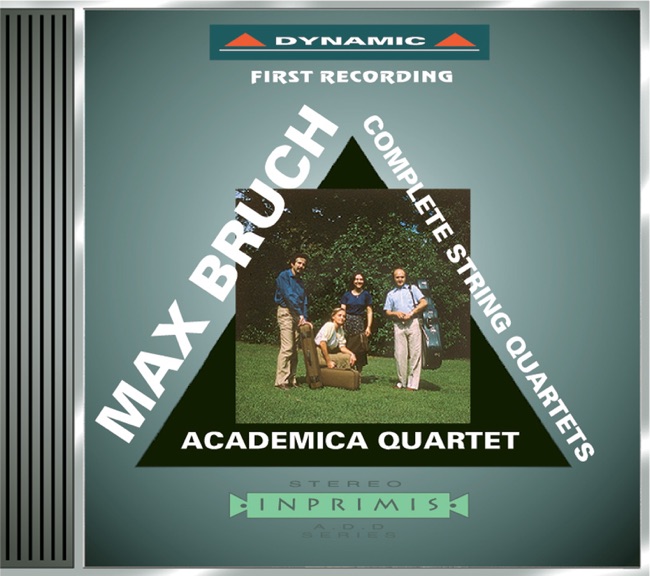
Featured Album
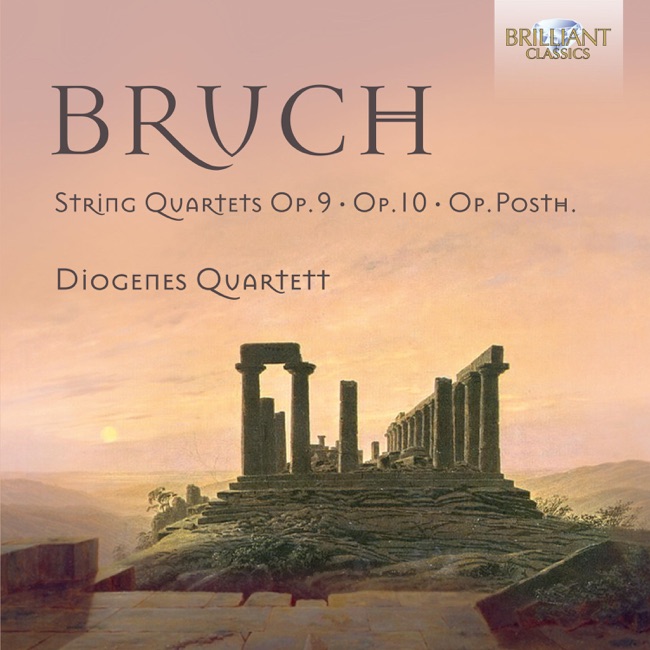
Works Info
Composer:Max BruchGenre:ChamberStyle:QuartetPublication Date:1860Average_duration:28:23Max Bruch's String Quartet No.2, in E major, Op. 10 is a four-movement work that was composed in 1859. It premiered in Berlin on December 8, 1860, with the Joachim Quartet performing. The quartet is considered one of Bruch's most significant chamber works and is a testament to his mastery of the string quartet genre. The first movement, marked Allegro moderato, begins with a lyrical and expressive melody played by the first violin. The other instruments soon join in, and the music builds to a climax before subsiding into a more subdued section. The movement is characterized by its use of rich harmonies and lush textures, which are typical of Bruch's Romantic style. The second movement, marked Scherzo, is a lively and energetic dance in 3/4 time. The music is marked by its playful and rhythmic character, with the instruments trading off melodic lines and engaging in lively dialogue. The trio section provides a contrast to the scherzo, with a more lyrical and introspective melody. The third movement, marked Adagio non troppo, is a slow and contemplative piece that showcases Bruch's gift for melody. The music is marked by its expressive and emotional character, with the instruments weaving together in a rich tapestry of sound. The movement is notable for its use of chromatic harmonies and its poignant and melancholic mood. The final movement, marked Allegro molto, is a lively and exuberant piece that brings the quartet to a thrilling conclusion. The music is marked by its virtuosic passages and its use of rhythmic syncopation. The movement is characterized by its joyful and celebratory character, with the instruments engaging in a lively and spirited dialogue. Overall, Max Bruch's String Quartet No.2, in E major, Op. 10 is a masterful work that showcases the composer's gift for melody, harmony, and form. The quartet is marked by its lush textures, rich harmonies, and expressive character, and is a testament to Bruch's place as one of the great Romantic composers of the 19th century.More....
Works Music
Released Music
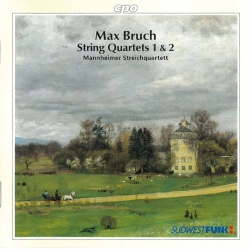
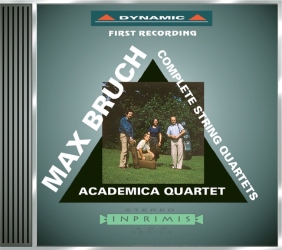
Featured Music
