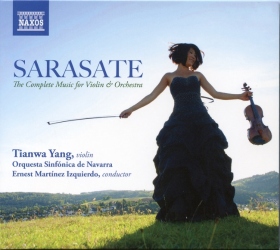
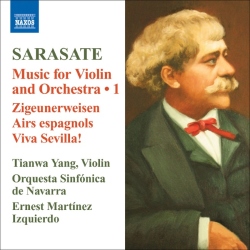
Pablo de Sarasate
Airs Espagnols, Op. 18
Released Album
Recent Album
-
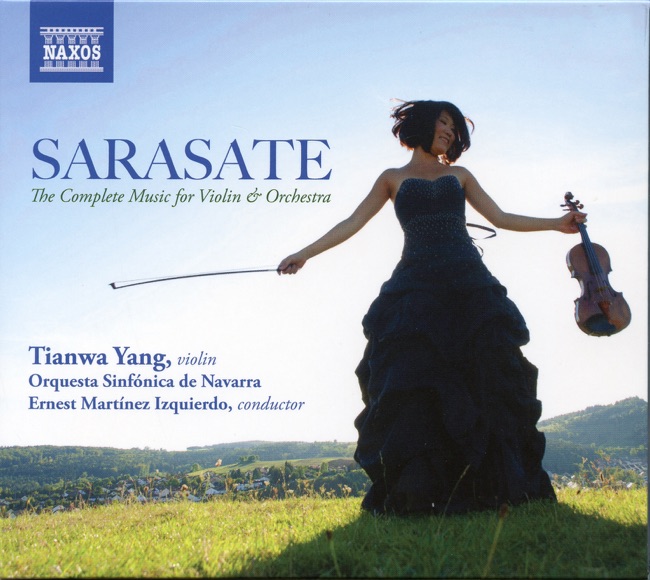
-

-
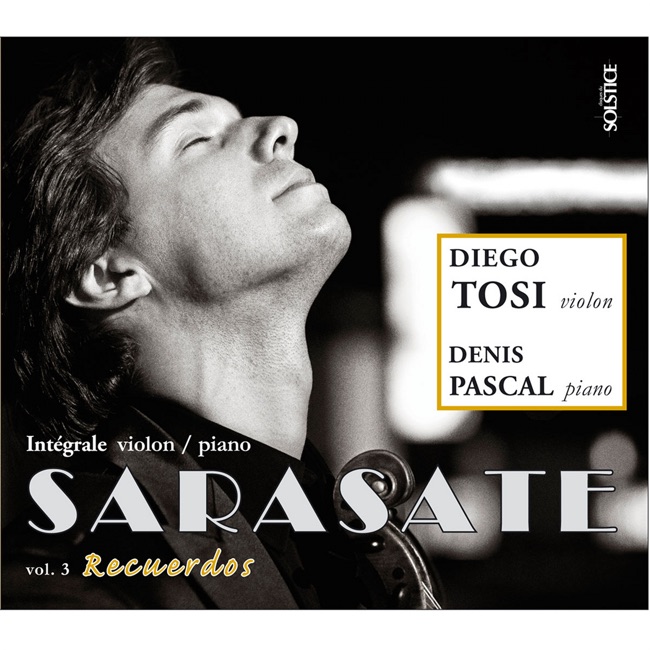
-
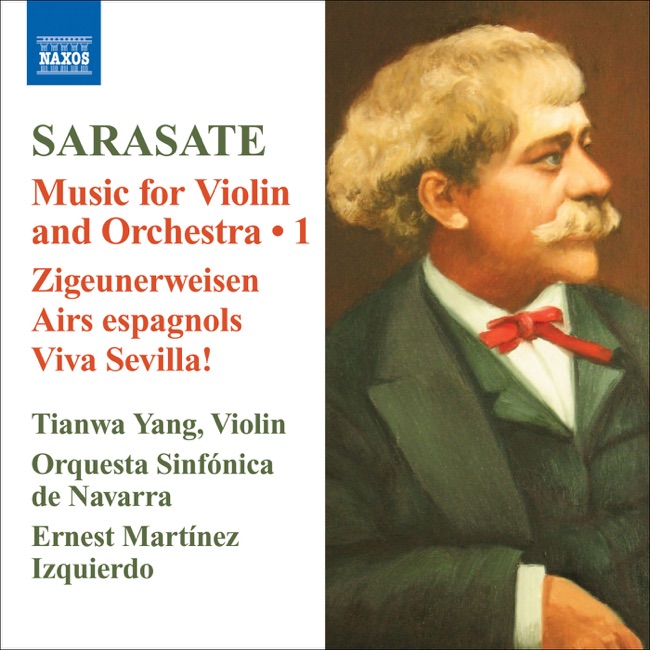 Ernest Martínez IzquierdoOctober 27, 2009
Works Info
Composer:Pablo de SarasateGenre:ConcertoStyle:ConcertoAverage_duration:9:28Pablo de Sarasate's 'Airs Espagnols, Op. 18' is a collection of six Spanish dances for violin and piano. The work was composed in 1878 and premiered in Paris the same year. The six movements are titled 'Jota Aragonesa', 'Habanera', 'Romanza Andaluza', 'Playera', 'Zapateado', and 'Malagueña'. The first movement, 'Jota Aragonesa', is a lively dance in triple meter that originated in the Aragon region of Spain. The violin and piano trade off melodic phrases, with the violin often playing virtuosic runs and trills. The second movement, 'Habanera', is a slower, more sensual dance in duple meter that originated in Cuba but became popular in Spain. The violin plays a languid melody over a repetitive piano accompaniment. The third movement, 'Romanza Andaluza', is a romantic and lyrical piece in triple meter that showcases the violin's singing tone. The fourth movement, 'Playera', is a lively dance in duple meter that originated in Andalusia and is characterized by its syncopated rhythms. The violin and piano play off each other in a playful and virtuosic manner. The fifth movement, 'Zapateado', is a fast and rhythmic dance in duple meter that originated in the Basque region of Spain. The violin plays rapid-fire runs and trills while the piano provides a driving accompaniment. The final movement, 'Malagueña', is a fiery and passionate dance in triple meter that originated in the city of Malaga. The violin plays virtuosic runs and trills while the piano provides a rhythmic accompaniment. Overall, 'Airs Espagnols, Op. 18' is a virtuosic and colorful work that showcases Sarasate's mastery of Spanish folk music. The six movements are varied in character and provide a glimpse into the rich and diverse musical traditions of Spain.More....
Works Music
Released Music