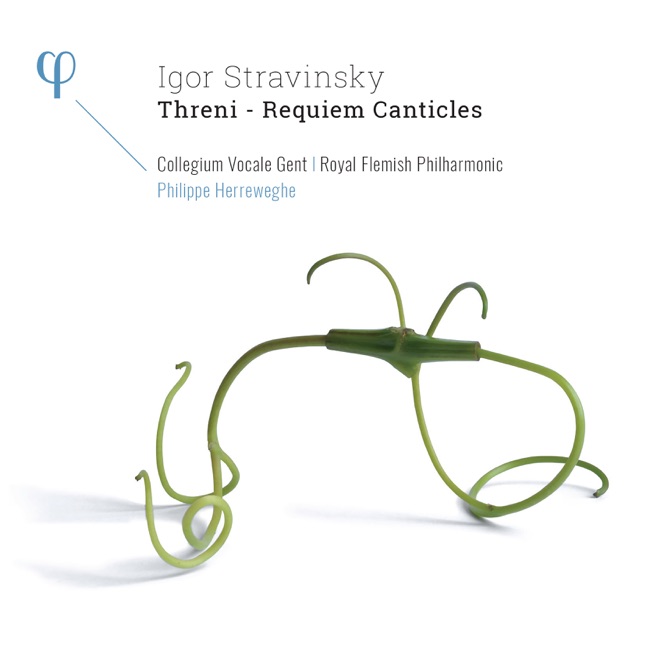
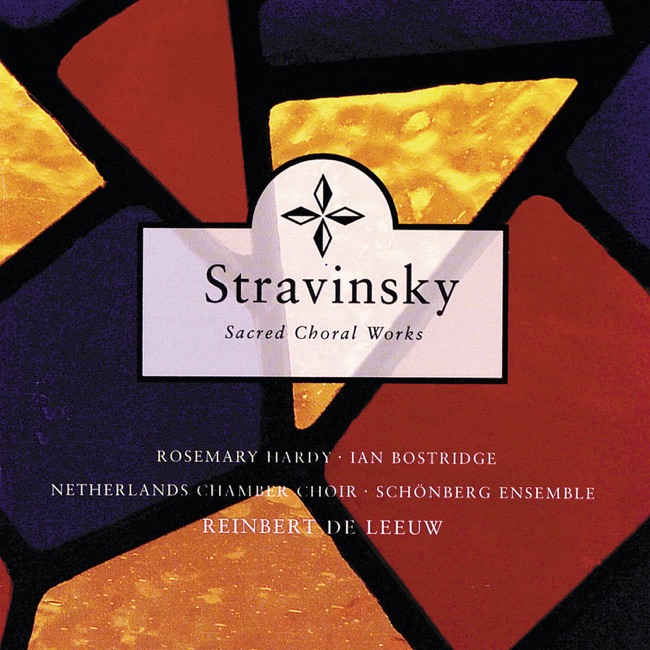
Igor Stravinsky
Sacræ Cantiones (3) (after Gesualdo)
Released Album
Recent Album
Works Info
Composer:Igor StravinskyGenre:ChoralStyle:SongCompose Date:1959First Performance:Jan 10, 1960Average_duration:8:43Movement_count:3Movement ....Igor Stravinsky's "Sacræ Cantiones (3) (after Gesualdo)" is a composition for unaccompanied mixed choir. It was composed in 1957 and premiered on October 13, 1958, in Venice, Italy, by the Schola Cantorum of Venice. The piece is based on the music of Carlo Gesualdo, an Italian composer of the late Renaissance period known for his chromatic harmonies and expressive dissonances. The composition consists of three movements, each based on a different Gesualdo madrigal. The first movement, "Ardita zanzaretta," is based on Gesualdo's "Ardita zanzaretta," a piece that features a lively and playful melody. Stravinsky's setting of the piece is characterized by its use of complex rhythms and harmonies, as well as its use of dissonance to create tension and release. The second movement, "Non t'amo, o voce ingrata," is based on Gesualdo's "Non t'amo, o voce ingrata," a piece that features a mournful melody. Stravinsky's setting of the piece is characterized by its use of dissonance to create a sense of longing and sadness, as well as its use of dynamic contrasts to create a sense of drama. The third movement, "Beltà poi che t'assenti," is based on Gesualdo's "Beltà poi che t'assenti," a piece that features a melancholic melody. Stravinsky's setting of the piece is characterized by its use of complex rhythms and harmonies, as well as its use of dissonance to create a sense of tension and release. Overall, "Sacræ Cantiones (3) (after Gesualdo)" is a complex and challenging composition that showcases Stravinsky's mastery of harmony and rhythm. Its use of Gesualdo's music as a source material highlights the influence of earlier composers on Stravinsky's work, while its innovative use of dissonance and dynamic contrasts demonstrates his unique approach to composition.More....
Works Music
Released Music