Johann Christian Bach
Concerto for piano in E flat major, CW C75 (T. 290/1)
Released Album
Recent Album
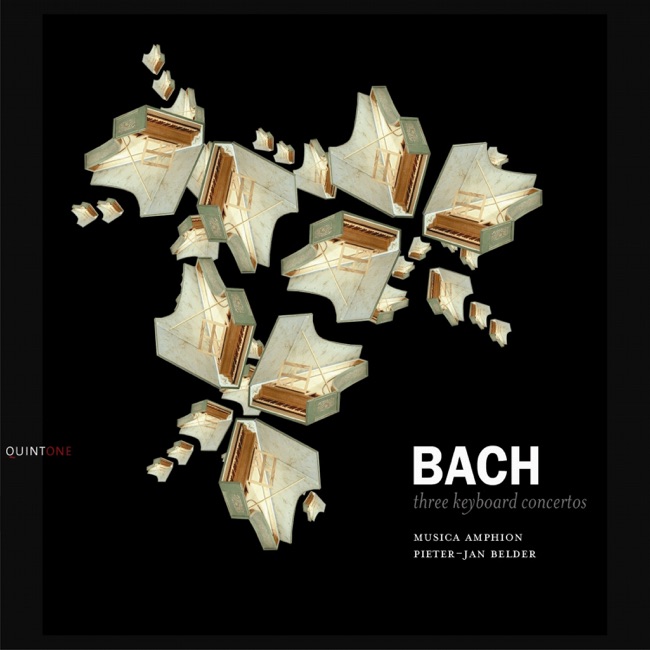
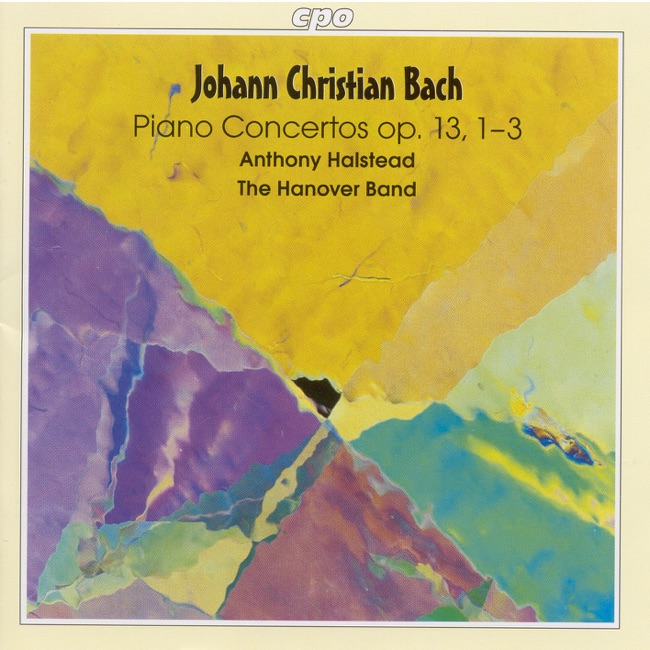
Works Info
Composer:Johann Christian BachGenre:ConcertoStyle:ConcertoCompose Date:1774Publication Date:1985Average_duration:17:40Movement_count:3Movement ....Johann Christian Bach's Concerto for Piano in E flat major, CW C75 (T. 290/1) was composed in the late 18th century. The exact date of composition is unknown, but it is believed to have been written between 1770 and 1780. The concerto was premiered in London, where Bach spent most of his career, and was likely performed by the composer himself. The concerto is comprised of three movements: Allegro moderato, Andante, and Allegro assai. The first movement is characterized by its lively and energetic tempo, with the piano and orchestra engaging in a playful dialogue. The second movement, Andante, is more subdued and introspective, with the piano taking on a more prominent role. The final movement, Allegro assai, returns to the lively tempo of the first movement, with the piano and orchestra engaging in a virtuosic display of technical skill. One of the defining characteristics of Bach's concerto is its use of the piano as a solo instrument. While the piano had been used in orchestral music for several decades prior to Bach's concerto, it was still a relatively new instrument and had not yet been fully integrated into the classical repertoire. Bach's concerto helped to establish the piano as a solo instrument in its own right, paving the way for future composers such as Mozart and Beethoven. Another notable characteristic of Bach's concerto is its use of classical forms and structures. The concerto follows the traditional three-movement structure of classical concertos, with each movement adhering to a specific tempo and mood. Additionally, Bach employs a variety of musical techniques such as thematic development and modulation, which were common in classical music of the time. Overall, Johann Christian Bach's Concerto for Piano in E flat major, CW C75 (T. 290/1) is a significant work in the history of classical music. Its use of the piano as a solo instrument and adherence to classical forms helped to establish the piano concerto as a staple of the classical repertoire.More....
Works Music
Released Music