Heitor Villa-Lobos
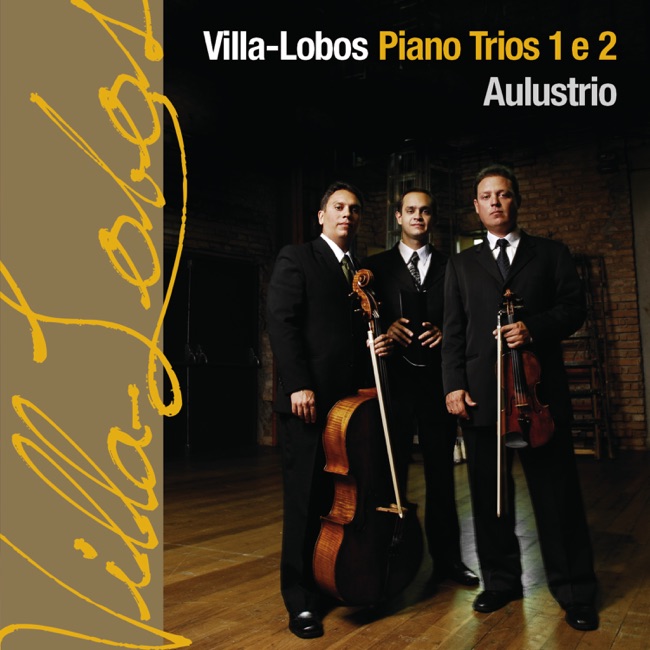
Piano Trio No. 2, A. 105
Released Album
Recent Album

Works Info
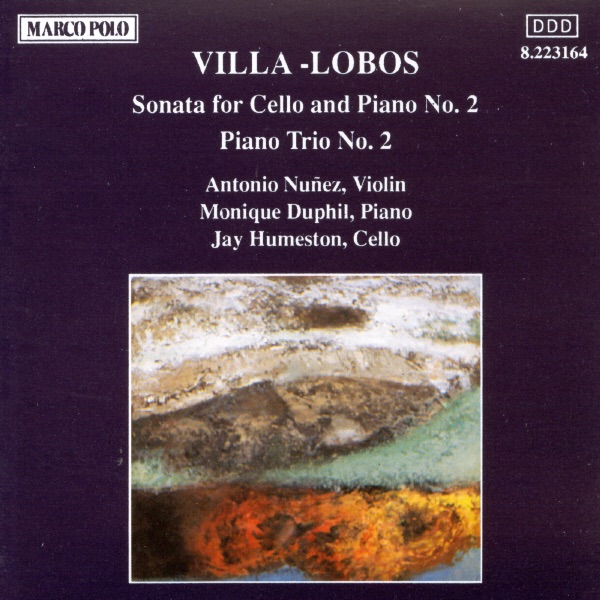
Composer:Heitor Villa-LobosGenre:ChamberStyle:Chamber MusicCompose Date:1915Average_duration:31:24Movement_count:4Movement ....Heitor Villa-Lobos' Piano Trio No. 2, A. 105, was composed in 1945 and premiered in Rio de Janeiro in the same year. The piece is divided into four movements, each with its own distinct character and style. The first movement, marked Allegro non troppo, begins with a lively and rhythmic theme in the piano, which is then taken up by the violin and cello. The music is full of energy and vitality, with frequent changes of tempo and mood. The middle section of the movement is more lyrical and introspective, with a beautiful melody in the cello accompanied by delicate piano arpeggios. The movement ends with a return to the opening theme, played with even greater intensity and excitement. The second movement, marked Adagio, is a slow and melancholy piece, with a haunting melody in the violin accompanied by gentle piano chords. The cello takes up the melody in the middle section, accompanied by a delicate pizzicato in the violin. The music gradually builds in intensity, with the piano adding more complex harmonies and textures, before returning to the opening theme in a quiet and reflective coda. The third movement, marked Allegro, is a lively and playful scherzo, with a catchy and rhythmic theme in the piano. The violin and cello play off each other in a series of virtuosic runs and trills, while the piano provides a lively and energetic accompaniment. The middle section of the movement is more subdued, with a lyrical melody in the cello accompanied by delicate piano arpeggios, before returning to the opening theme in a frenzied and exhilarating coda. The final movement, marked Allegro moderato, is a lively and exuberant piece, with a joyful and celebratory theme in the piano. The violin and cello take up the theme in turn, with the music building in intensity and excitement. The middle section of the movement is more introspective, with a beautiful melody in the cello accompanied by delicate piano arpeggios. The music gradually builds in intensity once again, with the piano adding more complex harmonies and textures, before returning to the opening theme in a triumphant and exhilarating coda. Overall, Villa-Lobos' Piano Trio No. 2 is a masterful work, full of energy, vitality, and emotion. The composer's use of rhythm, melody, and harmony is both sophisticated and accessible, making the piece a joy to listen to and perform.More....
Works Music
Released Music