Andrea Gabrieli
Beati quorum remissae sunt
Released Album
Recent Album
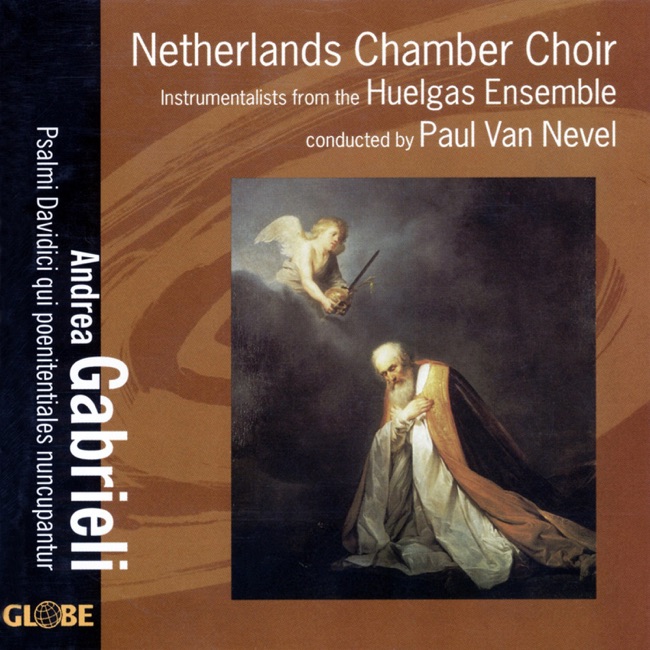
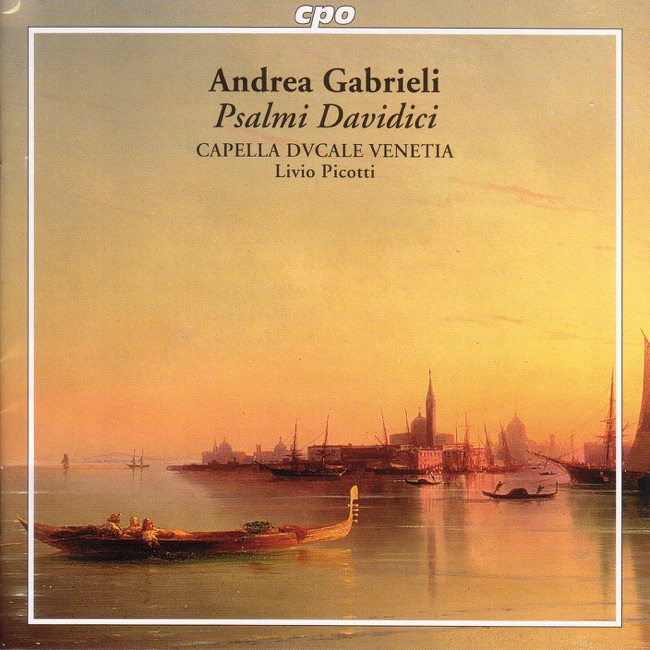
Works Info
Composer:Andrea GabrieliGenre:ChoralStyle:ChoralPublication Date:1583Average_duration:9:10Movement_count:4Movement ....Andrea Gabrieli was a prominent Italian composer of the Renaissance period, known for his contributions to the development of the Venetian polychoral style. One of his most famous works is the motet "Beati quorum remissae sunt," which was composed in the late 16th century. The motet is based on Psalm 32:1-2, which reads "Blessed is he whose transgression is forgiven, whose sin is covered. Blessed is the man unto whom the Lord imputeth not iniquity." Gabrieli's setting of this text is divided into six movements, each of which explores a different aspect of the psalm. The first movement is a brief introduction, featuring a simple homophonic texture and a descending melodic line that sets the tone for the rest of the piece. The second movement is a lively and rhythmic setting of the first verse of the psalm, featuring a call-and-response structure between the two choirs. The third movement is a slower and more contemplative setting of the second verse of the psalm, featuring a more complex polyphonic texture and a greater emphasis on harmonic tension and release. The fourth movement is a brief interlude, featuring a repeating melodic motif that serves as a transition to the next section. The fifth movement is a dramatic and intense setting of the final phrase of the psalm, "in whose spirit there is no guile." This section features a highly chromatic and dissonant harmonic language, as well as a powerful climax that resolves into a peaceful and serene final section. The final movement is a brief coda, featuring a simple homophonic texture and a repeating melodic motif that brings the piece to a gentle and peaceful close. Overall, "Beati quorum remissae sunt" is a masterful example of Gabrieli's skill in combining complex polyphonic textures with rich harmonic language and rhythmic vitality. Its six movements explore a range of emotions and moods, from joy and exultation to contemplation and serenity, making it a powerful and moving work that continues to be performed and admired today. The piece was likely composed in the late 1580s or early 1590s and premiered in Venice, where Gabrieli served as a prominent musician and composer at St. Mark's Basilica.More....
Works Music
Released Music