


Wolfgang Amadeus Mozart
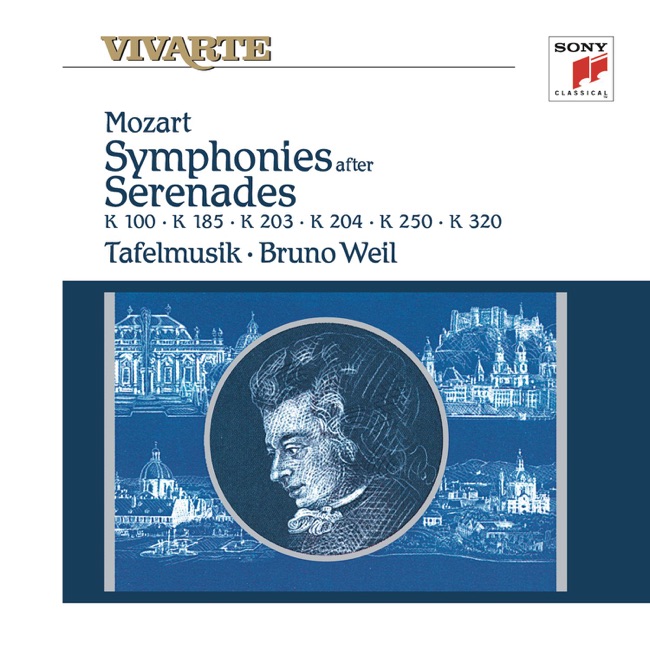
Symphony in D major (after the "Posthorn" Serenade), K. 320
Released Album
Recent Album
Works Info
Composer:Wolfgang Amadeus MozartGenre:SymphonyStyle:SymphonyCompose Date:1779 - 1783Average_duration:22:01Movement_count:3Movement ....Wolfgang Amadeus Mozart composed his Symphony in D major (after the Posthorn Serenade), K. 320 in 1779. The symphony was premiered on July 26, 1779, in Salzburg, Austria. The symphony is a reworking of Mozart's earlier Posthorn Serenade, K. 320, which was composed in 1779. The Symphony in D major (after the Posthorn Serenade), K. 320 consists of seven movements. The first movement is marked Allegro moderato and is in sonata form. The second movement is marked Andantino and is a theme and variations. The third movement is marked Menuetto and Trio and is a traditional minuet and trio. The fourth movement is marked Allegro and is a sonata-rondo. The fifth movement is marked Andante and is a theme and variations. The sixth movement is marked Menuetto and Trio and is a traditional minuet and trio. The seventh and final movement is marked Presto and is a sonata-rondo. The Symphony in D major (after the Posthorn Serenade), K. 320 is characterized by its use of the posthorn, a valveless brass instrument that was commonly used in the 18th century. The posthorn is featured prominently in the second movement, which is a set of variations on a theme that is played by the posthorn. The symphony also features a number of other unusual instruments, including a mandolin, a guitar, and a double bassoon. The Symphony in D major (after the Posthorn Serenade), K. 320 is a prime example of Mozart's mature style. The symphony is characterized by its use of complex harmonies, intricate counterpoint, and virtuosic solo passages. The symphony is also notable for its use of orchestration, with Mozart making full use of the different timbres and colors of the orchestra. Overall, the Symphony in D major (after the Posthorn Serenade), K. 320 is a masterpiece of Mozart's oeuvre. The symphony is a testament to Mozart's skill as a composer and his ability to create music that is both technically complex and emotionally powerful.More....
Works Music
Released Music
1
Symphony in D major (after the "Posthorn" Serenade), K. 320
I. Adagio maestoso - Allegro con spirito
7:44
2
4:9
3
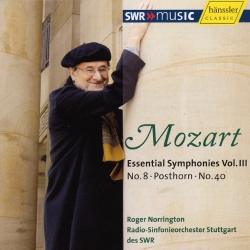
Symphony in D major (after the "Posthorn" Serenade), K. 320
Adagio maestoso - Allegro con spirito
7:28
4
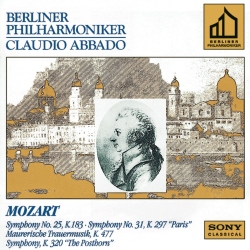
Symphony in D major (after the "Posthorn" Serenade), K. 320
1. Adagio maestoso - Allegro con spirito
7:44
5
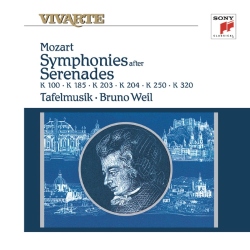
Symphony in D major (after the "Posthorn" Serenade), K. 320
1. Adagio maestoso - Allegro con spirito
7:33