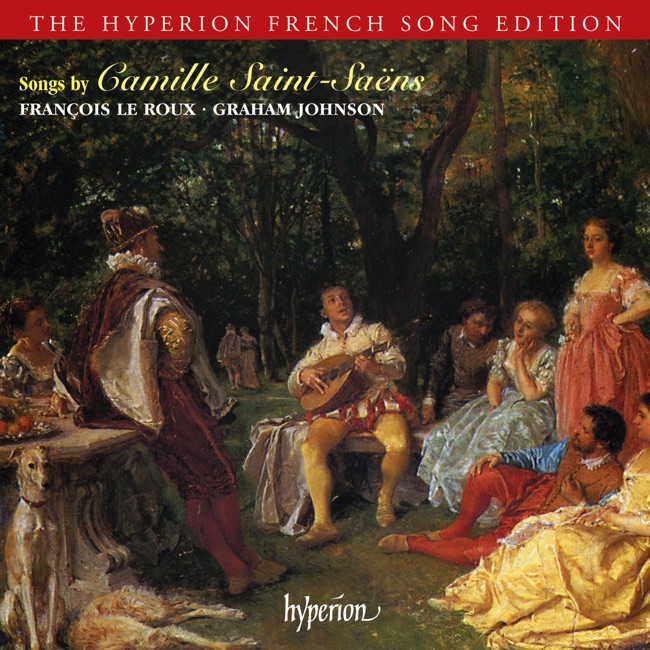
Camille Saint-Saëns
La cigale et la fourmi
Released Album
Recent Album
-
 Various ArtistsMay 17, 2019
 -
Featured Album
Works Info
Composer:Camille Saint-SaënsGenre:VocalStyle:Vocal MusicAverage_duration:1:57"La cigale et la fourmi" is a musical composition by the French composer Camille Saint-Saëns. It was composed in 1914 and premiered on January 22, 1915, at the Salle Gaveau in Paris. The piece is based on the fable of the same name by Jean de La Fontaine, which tells the story of a grasshopper who spends the summer singing and playing while the ant works hard to store food for the winter. The composition is divided into three movements, each of which represents a different aspect of the fable. The first movement, "La cigale," is a lively and playful scherzo that captures the carefree spirit of the grasshopper. The second movement, "La fourmi," is a slow and solemn adagio that represents the hard work and diligence of the ant. The final movement, "La cigale et la fourmi," is a lively and humorous finale that brings the two characters together in a playful and ironic way. The piece is characterized by Saint-Saëns' use of colorful orchestration and his ability to capture the essence of the fable through music. The playful and carefree spirit of the grasshopper is represented by the use of light and lively melodies, while the solemn and serious nature of the ant is captured through the use of slow and deliberate rhythms. The final movement brings the two characters together in a playful and ironic way, with the grasshopper finally realizing the error of his ways and joining the ant in his hard work. Overall, "La cigale et la fourmi" is a charming and whimsical piece that captures the essence of the fable in a delightful and entertaining way. Its colorful orchestration and playful melodies make it a favorite among audiences and performers alike, and it remains a popular piece in the repertoire of classical music to this day.More....
Works Music
Released Music

Featured Music