Johann Gottlieb Janitsch
Quartet for flute, violin, oboe, cello & continuo in F
Released Album
Recent Album
Works Info
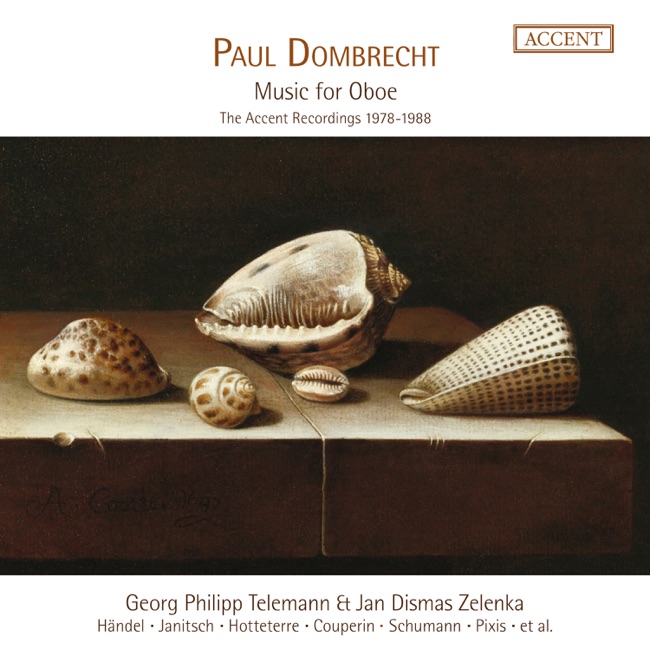
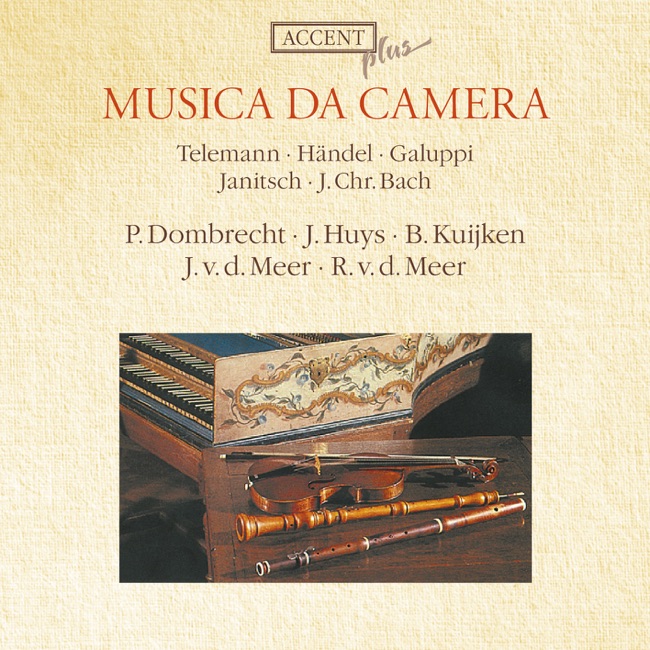
Composer:Johann Gottlieb JanitschGenre:ChamberStyle:Chamber MusicAverage_duration:13:54Movement_count:3Movement ....Johann Gottlieb Janitsch's Quartet for flute, violin, oboe, cello & continuo in F is a Baroque chamber music piece that was composed in the early 18th century. The exact date of composition is unknown, but it is believed to have been written between 1720 and 1730. The quartet was premiered in Berlin, where Janitsch was a member of the court orchestra. The quartet consists of four movements: Allegro, Largo, Allegro, and Menuet. The first movement, Allegro, is a lively and energetic piece that showcases the virtuosity of the performers. The second movement, Largo, is a slow and expressive piece that features a beautiful melody played by the flute and violin. The third movement, Allegro, is another fast-paced piece that features intricate counterpoint between the instruments. The final movement, Menuet, is a dance-like piece that brings the quartet to a joyful and lively conclusion. One of the characteristics of Janitsch's quartet is its use of the continuo, which is a group of instruments that provide harmonic support for the melody instruments. In this quartet, the continuo consists of a harpsichord and a cello, which provide a rich and full sound that complements the flute, violin, and oboe. Another characteristic of the quartet is its use of counterpoint, which is a technique where two or more melodies are played simultaneously. Janitsch's quartet features intricate counterpoint between the instruments, which creates a complex and harmonically rich sound. Overall, Janitsch's Quartet for flute, violin, oboe, cello & continuo in F is a beautiful and complex piece of Baroque chamber music that showcases the virtuosity of the performers and the richness of the Baroque style.More....
Works Music
Released Music