


Jan Pieterszoon Sweelinck
Iusti autem in perpetuum vivent (Cantiones Sacrae No. 12)
Released Album
Recent Album
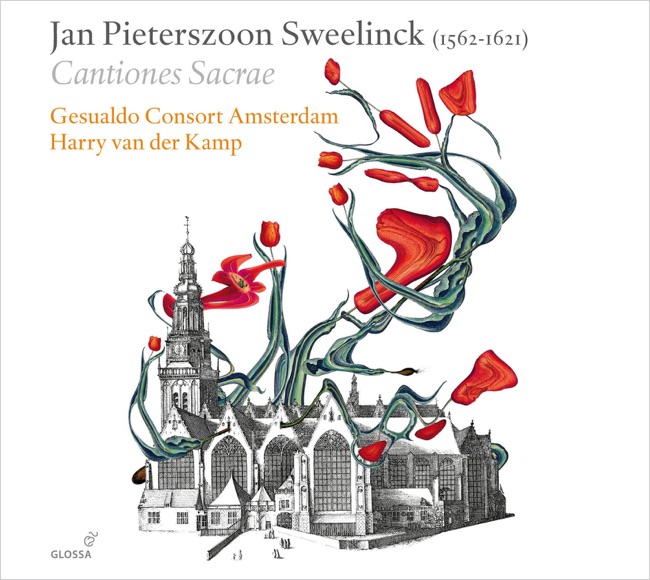
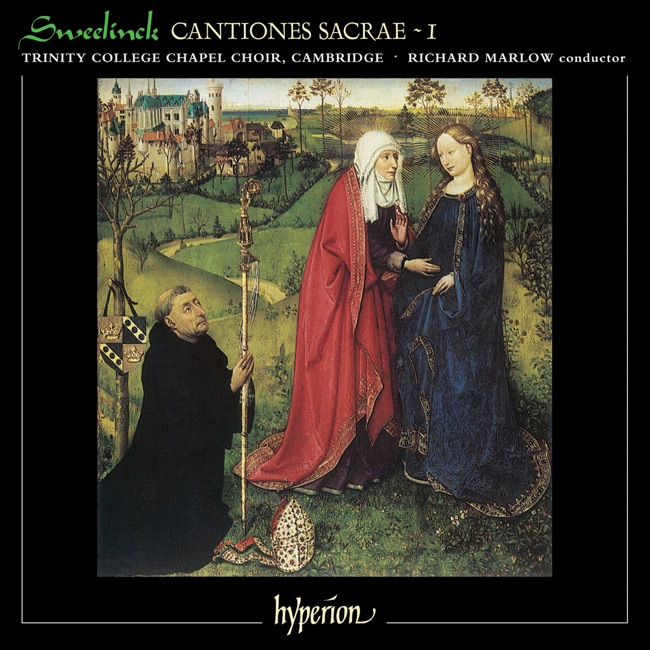
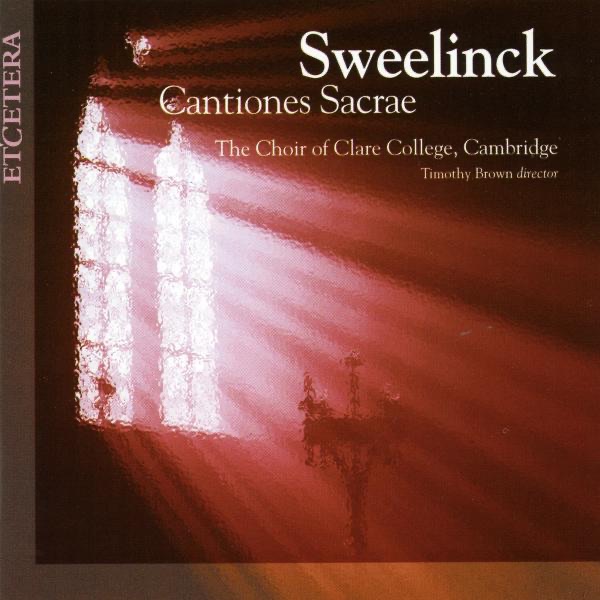
Works Info
Composer:Jan Pieterszoon SweelinckGenre:ChoralStyle:ChoralPublication Date:1619Average_duration:2:44Jan Pieterszoon Sweelinck was a Dutch composer and organist of the late Renaissance and early Baroque periods. He was born in 1562 in Deventer, Netherlands, and died in 1621 in Amsterdam. Sweelinck was one of the most important composers of his time, and his music had a significant influence on the development of Baroque music. "Iusti autem in perpetuum vivent" is one of Sweelinck's most famous works, and it is part of his collection of sacred songs called "Cantiones Sacrae." The piece was composed in 1619, and it premiered in the same year in Amsterdam. "Iusti autem in perpetuum vivent" is a motet for five voices, and it is written in Latin. The piece is divided into three movements. The first movement is a slow and solemn introduction, which sets the tone for the rest of the piece. The second movement is a lively and joyful section, which celebrates the eternal life of the righteous. The third movement is a return to the solemnity of the first movement, and it ends the piece with a sense of peace and tranquility. "Iusti autem in perpetuum vivent" is characterized by Sweelinck's use of rich harmonies and complex counterpoint. The piece is also notable for its use of chromaticism, which was a new and innovative technique at the time. The chromaticism adds a sense of tension and drama to the piece, and it helps to convey the emotional depth of the text. Overall, "Iusti autem in perpetuum vivent" is a masterpiece of sacred music, and it showcases Sweelinck's skill as a composer. The piece is still performed today, and it remains a testament to Sweelinck's enduring legacy.More....
Works Music
Released Music
1
Iusti autem in perpetuum live (Cantiones Sacrae No. 12)
Iusti autem in perpetuum vivent, for 5 voices, SWWV 162
2:2
2
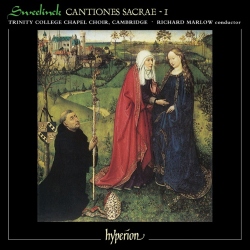
2:38
3
2:51