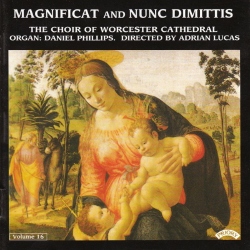
Ivor Atkins
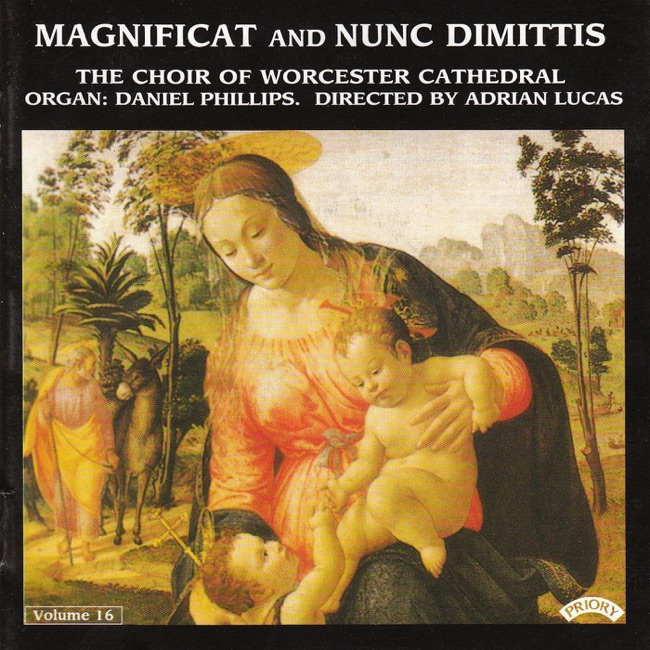
Nunc Dimittis in G
Released Album
Recent Album
Works Info
Composer:Ivor AtkinsStyle:MagnificatAverage_duration:4:00Ivor Atkins was a British composer and organist who lived from 1869 to 1953. He is best known for his choral works, including his setting of the "Nunc Dimittis in G." The "Nunc Dimittis in G" is a setting of the Canticle of Simeon, which is traditionally sung at the end of the evening service of Compline in the Anglican Church. The piece is written for four-part choir and organ, and is characterized by its simple, yet elegant melody and harmonies. The piece was composed in 1916, during the First World War, and was premiered at the Salisbury Cathedral in the same year. The piece is divided into three movements, each of which reflects a different aspect of the text. The first movement is marked "Andante con moto" and is characterized by its gentle, flowing melody. The choir sings the first verse of the Canticle, "Lord, now lettest thou thy servant depart in peace," while the organ provides a soft accompaniment. The second movement is marked "Allegro moderato" and is more lively than the first. The choir sings the second verse of the Canticle, "For mine eyes have seen thy salvation," with a sense of joy and exultation. The organ provides a more prominent accompaniment in this movement, with a series of arpeggios and flourishes. The final movement is marked "Andante sostenuto" and is the most contemplative of the three. The choir sings the final verse of the Canticle, "Glory be to the Father, and to the Son, and to the Holy Ghost," with a sense of reverence and awe. The organ provides a soft, sustained accompaniment, with a series of chords that gradually fade away. Overall, the "Nunc Dimittis in G" is a beautiful and moving piece of choral music, characterized by its simplicity and elegance. It is a testament to Ivor Atkins' skill as a composer and his deep faith in God.More....
Works Music
Released Music