Anne Danican Philidor
Sonata for flûte á bec, in D minor
Released Album
Recent Album

Featured Album
Works Info
Composer:Anne Danican PhilidorGenre:ChamberStyle:SonataCompose Date:1712Average_duration:7:50The 'Sonata for flûte á bec, in D minor' was composed by Anne Danican Philidor, a French composer, and flutist, in the early 18th century. The exact date of composition is unknown, but it is believed to have been written around 1717. The sonata was premiered in Paris, France, and was well-received by the audience. The sonata consists of three movements: Allegro, Adagio, and Allegro. The first movement, Allegro, is in D minor and is written in a fast tempo. It begins with a lively and energetic theme played by the recorder, which is then repeated and developed throughout the movement. The second movement, Adagio, is in G minor and is written in a slow tempo. It is a beautiful and expressive melody played by the recorder, accompanied by a simple and delicate harpsichord accompaniment. The final movement, Allegro, is in D minor and is written in a fast tempo. It is a lively and playful melody played by the recorder, with a more complex and intricate harpsichord accompaniment. The 'Sonata for flûte á bec, in D minor' is a prime example of the Baroque era's music. It is characterized by its use of counterpoint, ornamentation, and the use of a basso continuo. The recorder is the primary instrument in the sonata, and it is accompanied by a harpsichord, which provides a harmonic foundation for the melody. The sonata is also notable for its use of dynamic contrasts, which add to the overall drama and excitement of the piece. In conclusion, the 'Sonata for flûte á bec, in D minor' is a beautiful and well-crafted piece of music that showcases Anne Danican Philidor's talent as a composer and flutist. Its three movements are full of energy, emotion, and technical skill, making it a favorite among recorder players and Baroque music enthusiasts.More....
Works Music
Released Music
1
2:28
2

2:43
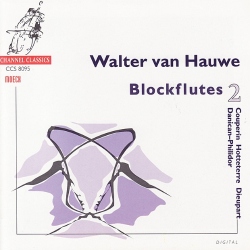
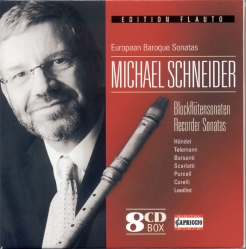
Featured Music