Johann Philipp Kirnberger
Trio Sonata for 2 violins & continuo in D minor
Released Album
Recent Album
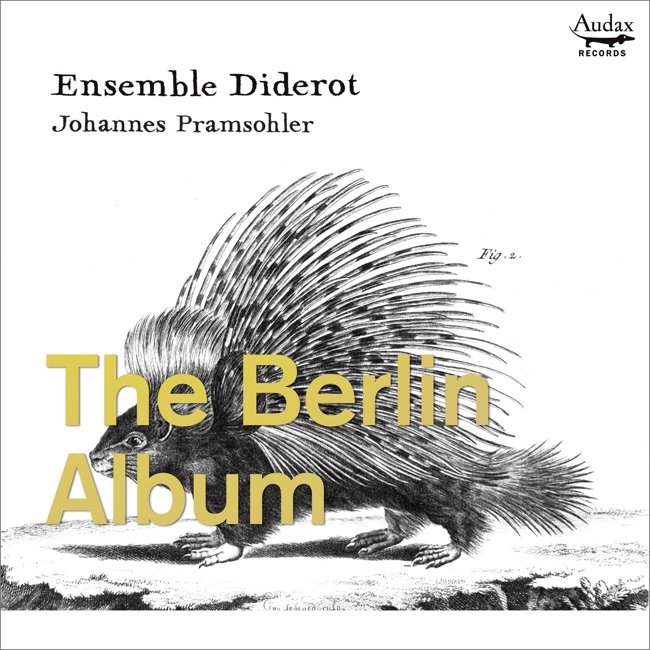
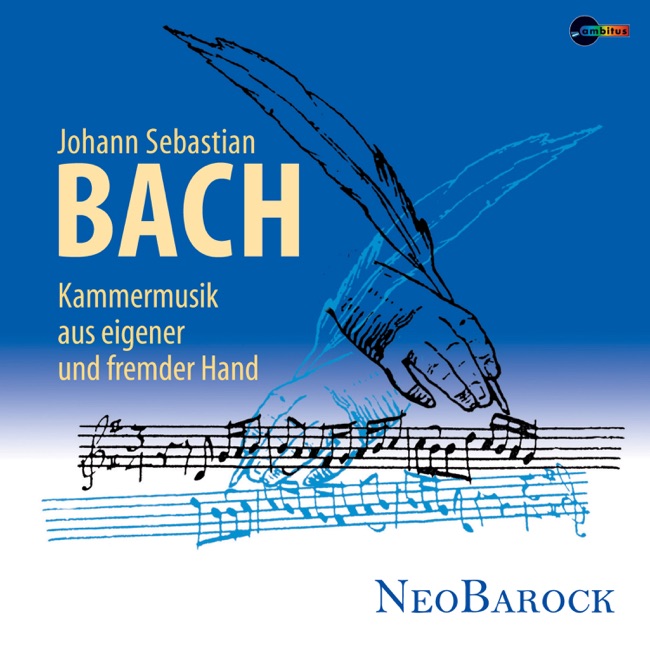
Works Info
Composer:Johann Philipp KirnbergerGenre:ChamberAverage_duration:07:31Movement_count:3Movement ....Johann Philipp Kirnberger was a German composer and music theorist of the Baroque era. He was a student of Johann Sebastian Bach and a close friend of Carl Philipp Emanuel Bach. Kirnberger's Trio Sonata for 2 violins & continuo in D minor is a fine example of his compositional style. The Trio Sonata was composed in the mid-18th century and premiered in Berlin. It is a three-movement work, with the first movement in D minor, the second in G major, and the third in D minor. The first movement is marked Allegro, the second is marked Andante, and the third is marked Allegro. The Trio Sonata is scored for two violins and continuo, which typically includes a harpsichord, cello, and bass. The two violins are equal partners in the work, with each taking turns playing the melody and accompanying the other. The continuo provides a harmonic foundation for the piece, with the harpsichord playing the chords and the cello and bass providing a rhythmic pulse. The first movement of the Trio Sonata is a lively and energetic Allegro, with a driving rhythm and a strong sense of forward motion. The two violins engage in a lively dialogue, with each taking turns playing the melody and accompanying the other. The second movement is a lyrical Andante, with a more relaxed tempo and a more contemplative mood. The two violins play a beautiful melody, with the continuo providing a gentle accompaniment. The third movement is a lively and playful Allegro, with a lively rhythm and a sense of joy and exuberance. The two violins engage in a lively dialogue, with each taking turns playing the melody and accompanying the other. Overall, Kirnberger's Trio Sonata for 2 violins & continuo in D minor is a fine example of his compositional style. It is a lively and engaging work, with a strong sense of rhythm and melody. The two violins are equal partners in the work, with each taking turns playing the melody and accompanying the other. The continuo provides a harmonic foundation for the piece, with the harpsichord playing the chords and the cello and bass providing a rhythmic pulse.More....
Works Music
Released Music