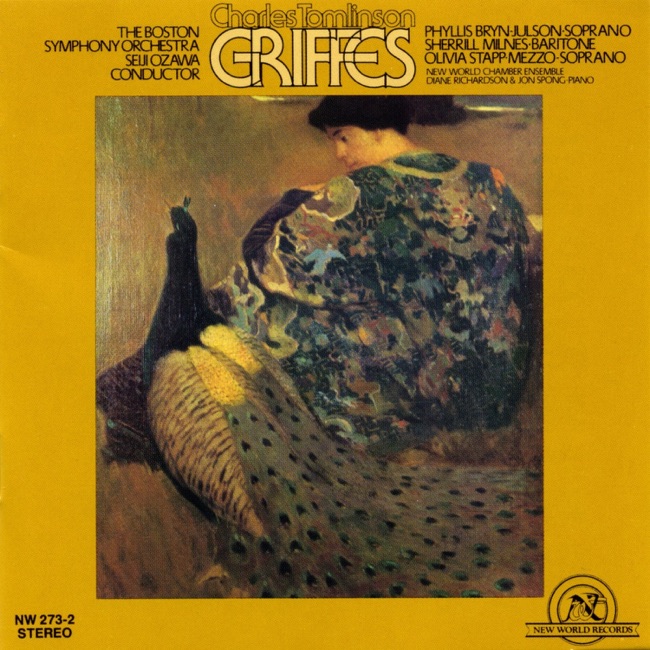
Charles Tomlinson Griffes
Auf geheimen Waldespfade, A. 4
Released Album
Recent Album
Works Info
Composer:Charles Tomlinson GriffesGenre:VocalStyle:Vocal MusicCompose Date:1903 - 1909Publication Date:1909First Performance:Mar 15, 1910Average_duration:2:16Auf geheimen Waldespfade, A. 4 is a composition by Charles Tomlinson Griffes, an American composer known for his impressionistic and modernist style. The piece was composed in 1912 and premiered on March 12, 1913, in New York City. The composition is a song cycle consisting of four movements, each of which is based on a poem by German poet Friedrich Rückert. The movements are titled "Auf geheimen Waldespfade" (On Secret Forest Paths), "Der Jäger und sein Liebchen" (The Hunter and His Beloved), "Das ist ein Brausen und Heulen" (There is a Roaring and Howling), and "Die verschwiegene Nachtigall" (The Secretive Nightingale). The first movement, "Auf geheimen Waldespfade," is a delicate and ethereal piece that captures the mysterious and enchanting atmosphere of a forest. The piano accompaniment is light and flowing, while the vocal line is lyrical and expressive. The text describes a journey through a secret forest path, where the speaker encounters various natural wonders and experiences a sense of awe and wonder. The second movement, "Der Jäger und sein Liebchen," is a lively and playful piece that tells the story of a hunter and his beloved. The piano accompaniment is rhythmic and energetic, while the vocal line is full of character and humor. The text describes the hunter's attempts to woo his beloved, who playfully teases him and ultimately agrees to be his wife. The third movement, "Das ist ein Brausen und Heulen," is a dramatic and intense piece that captures the tumultuous and violent side of nature. The piano accompaniment is stormy and chaotic, while the vocal line is powerful and passionate. The text describes a stormy night, where the speaker hears the roaring and howling of the wind and the waves and feels a sense of fear and awe. The fourth and final movement, "Die verschwiegene Nachtigall," is a tender and intimate piece that captures the beauty and mystery of the nightingale's song. The piano accompaniment is gentle and delicate, while the vocal line is expressive and lyrical. The text describes the speaker's encounter with a secretive nightingale, whose song fills him with a sense of longing and melancholy. Overall, Auf geheimen Waldespfade, A. 4 is a beautiful and evocative song cycle that showcases Griffes' mastery of impressionistic and modernist techniques. The piece is characterized by its lush harmonies, colorful textures, and expressive melodies, which capture the beauty and wonder of nature and the human experience.More....
Works Music