Jean-Baptiste Lully
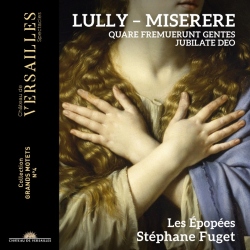
Jubilate Deo, LWV 77/16
Released Album
Recent Album
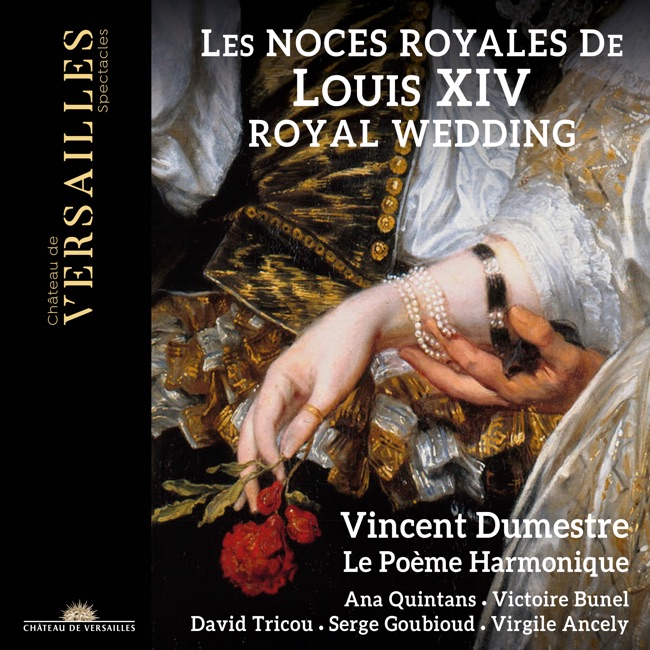
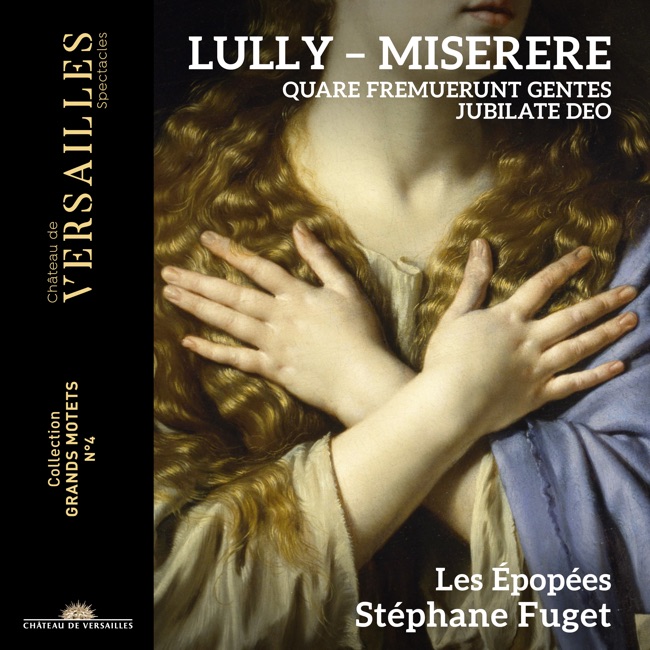
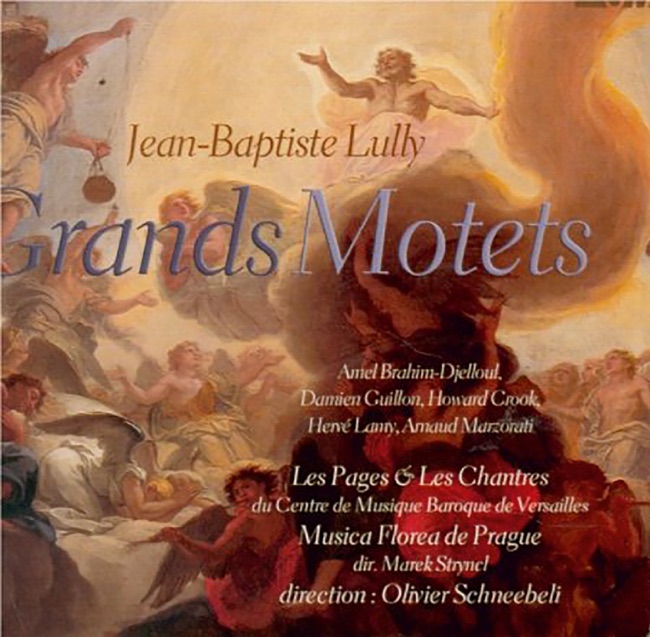
Featured Album

Works Info
Composer:Jean-Baptiste LullyGenre:ChoralStyle:ChoralAverage_duration:13:29Jubilate Deo, LWV 77/16 is a sacred motet composed by the French Baroque composer Jean-Baptiste Lully. It was composed in 1677 and premiered at the Royal Chapel in Versailles, France. The motet is written for four-part choir, soloists, and orchestra. The motet is divided into three movements. The first movement is a joyful and exuberant setting of Psalm 100, "Jubilate Deo omnis terra" (Make a joyful noise unto the Lord, all ye lands). The choir and orchestra alternate in a call-and-response style, with the soloists adding ornamentation and embellishment to the text. The second movement is a more contemplative setting of Psalm 121, "Levavi oculos meos" (I will lift up mine eyes unto the hills). The choir sings in a homophonic texture, with the soloists adding expressive melodic lines. The orchestra provides a gentle accompaniment, with the strings playing sustained chords and the winds adding delicate flourishes. The final movement is a triumphant setting of Psalm 150, "Laudate Dominum in sanctis eius" (Praise the Lord in his sanctuary). The choir and orchestra burst forth in a joyful and energetic celebration, with the soloists adding virtuosic runs and trills. The movement ends with a grand fugue, with the choir and orchestra interweaving in a complex and thrilling counterpoint. Overall, Jubilate Deo, LWV 77/16 is a prime example of Lully's skill in combining the grandeur and solemnity of sacred music with the lively and expressive style of French Baroque music. The motet showcases Lully's mastery of choral and orchestral writing, as well as his ability to create memorable and uplifting melodies.More....
Works Music
Released Music
Featured Music